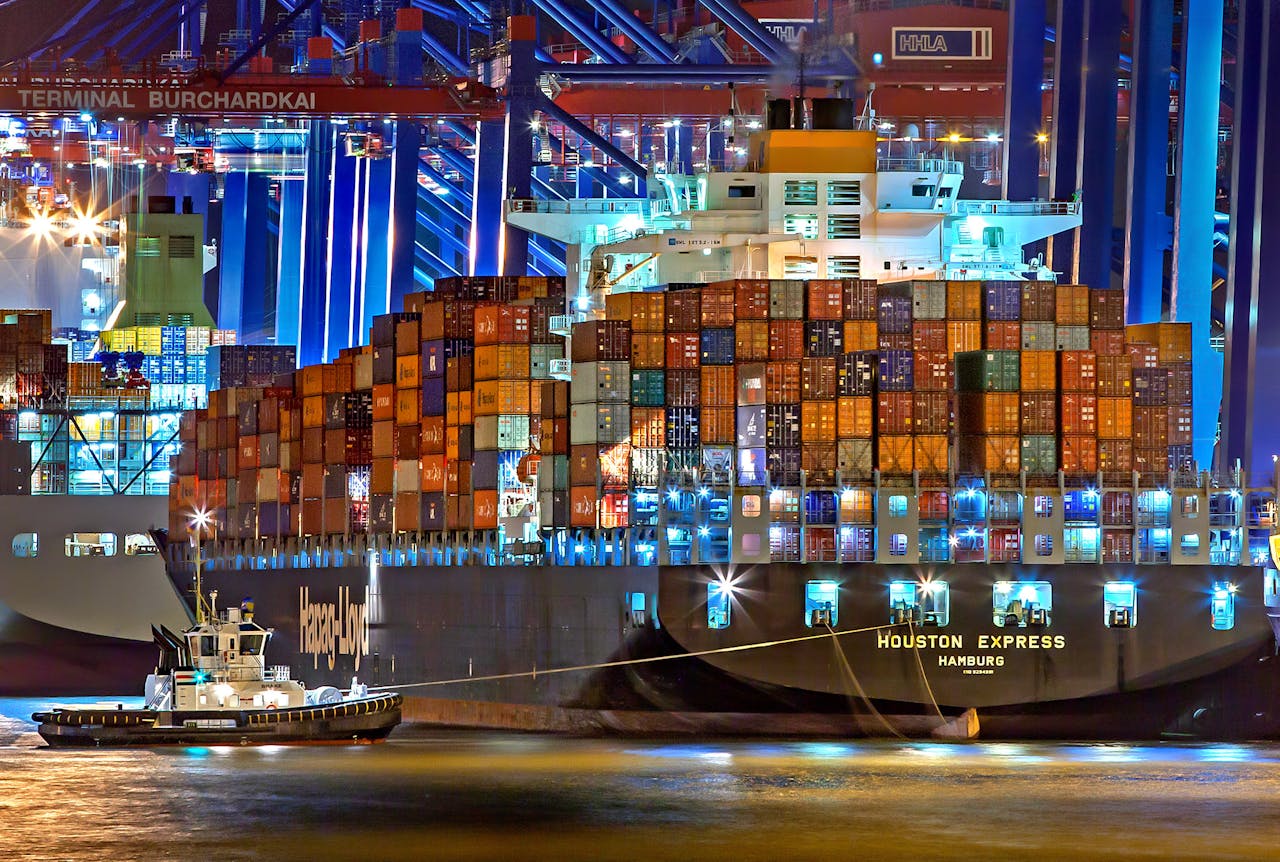
This informative blog post delves into the essentials of Marine Cargo Insurance, offering a comprehensive guide on its coverage, costs and types of policies. Marine Cargo Insurance protects businesses from financial losses resulting from damaged or lost goods during transit over water. The article details the extensive coverage that Marine Cargo Insurance offers encompassing natural disasters piracy, and accidents. The cost of Marine Cargo Insurance varies depending on factors such as cargo value, route, and coverage level. Various policy types are explained, including open cover policy, specific policy, and contingency insurance. It emphasizes Marine Cargo Insurance’s significance in shipping and freight, ensuring businesses mitigate risks associated with maritime transport. Finally, practical tips are provided on how to choose the right policy, stressing the importance of evaluating individual business needs and consulting with insurance professionals. This guide serves as a valuable resource for anyone considering Marine Cargo Insurance.
What Is Marine Cargo Insurance?
Marine cargo insurance is a specialized form of protective coverage tailored for the global trade and logistics sector. It provides a financial safeguard against losses or damage to goods transported by sea, air, or land. This insurance is crucial for businesses involved in international trade, as it shields them from unforeseen risks that could lead to substantial financial losses. By ensuring that goods reach their destination safely and without financial setbacks marine cargo insurance plays a vital role in the global supply chain. Understanding the nuances of marine cargo insurance coverage is essential for businesses that consistently deal with international shipping and freight. This type of insurance not only covers physical damage but also provides compensation for commercial losses arising from delays or unforeseen circumstances.
Key Features of Marine Cargo Insurance
- Comprehensive protection against a wide range of risks
- Coverage for goods transported by sea, air, or land
- Customizable policy options to suit different business needs
- Protection against financial losses due to delays
- Availability of both single transit and open cover policies
- Optional add-ons for specific needs such as war and strike coverage
- Benefits even for partial loss or damage to the shipment
Businesses seeking to secure their goods should begin by evaluating their specific shipping needs and risk exposure. The key features of marine cargo insurance, such as customizable policies and comprehensive protection, make it adaptable to various business requirements. It is important to carefully assess the policy terms and conditions and consult with insurance experts to understand what is covered under their chosen plan. As a snippet of wisdom, choosing the right marine cargo insurance is not just about cost-effectiveness; it’s about ensuring peace of mind and business continuity. It’s advisable for companies to work closely with experienced brokers who can guide them through complex policy options tailored to secure their valuable assets adequately.
What Does Marine Cargo Insurance Cover?
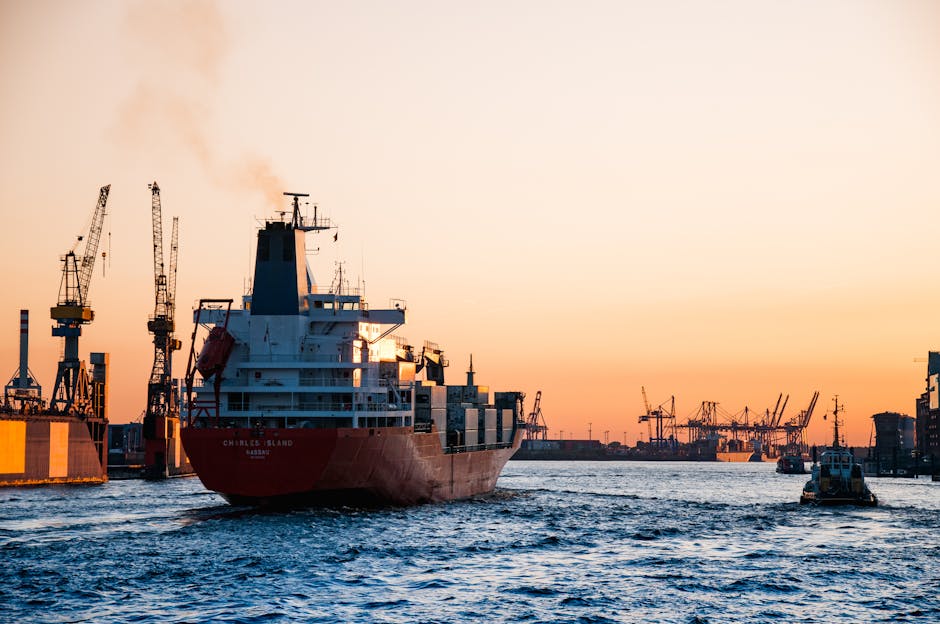
Marine cargo insurance provides essential protection for goods transported over water. It covers a wide range of potential risks ensuring that the financial interests of shippers are safeguarded against adverse events. The coverage extends to various types of losses or damages to cargo, whether they occur due to natural disasters accidents or piracy. Understanding marine cargo insurance coverage is crucial for businesses engaged in international trade, as it helps mitigate substantial financial losses that could arise during shipping. This type of insurance is specifically designed to address the unique challenges faced by cargo on the high seas.
Typical Items Covered
- Physical loss or damage to cargo
- Containers and packaging
- Fire and explosion onboard
- Natural disasters like storms and hurricanes
- Cargo damage due to collisions
- Theft and piracy
- Hijacking incidents
The complexities of marine cargo insurance coverage are highlighted by the specific perils it addresses. Each policy is tailored to cover typical threats encountered in the maritime environment. In addition to covering physical damage to goods policies may also protect against delays that arise from unforeseen disasters. Moreover, cargo insurance for shipping remains a critical component of the supply chain, ensuring that businesses can operate smoothly without interruption.
Specific Coverages
Specific coverages within marine cargo insurance vary depending on the policy chosen. Some policies include all-risk coverage, which protects against a wide range of incidents unless explicitly excluded. Meanwhile, named-perils policies offer coverage only for events listed in the policy, providing more limited protection. Companies may opt for additional clauses that extend coverage based on their specific shipping routes and cargo types. Importantly, thorough understanding and analysis of the given policy can lead to effective risk management.
Exclusions in Coverage
Despite its broad scope, marine cargo insurance does not cover every possible risk. Exclusions typically include damages resulting from improper packaging, inherent vice, or delay in transit not caused by insured perils. Additionally, some policies exclude losses due to wars strikes or nuclear incidents unless explicitly covered through additional clauses. Thus understanding the exclusions is crucial for businesses to determine if supplemental insurance is needed. An in-depth examination of these exclusions allows shippers to align their risk management strategies with their operational needs.
How Much Does Marine Cargo Insurance Cost?
The marine cargo insurance cost is influenced by a variety of factors each playing a crucial role in determining the final premium. Primarily, the value of goods shipped is a significant determinant. Higher-value shipments will naturally result in higher premiums to cover potential risks adequately. Similarly, the mode of transport—be it sea, air, or land—impacts the cost since each mode comes with specific risks and requirements. Moreover, the insurance terms selected, such as whether the coverage is for all risks or specific named perils will also affect the cost. Choosing an extensive coverage option typically results in a higher premium but offers broader protection.
| Factor | Impact on Cost | Details |
|---|---|---|
| Goods Value | High Impact | The higher the value, the more expensive the insurance |
| Mode of Transport | Moderate Impact | Different modes have different risk profiles |
| Insurance Terms | Variable Impact | Broader terms increase costs |
| Destination | Variable Impact | Higher-risk destinations increase premiums |
Factors Influencing Costs
- The total value of the shipment
- The nature and type of goods being transported
- Origin and destination of the shipment
- Mode of transport utilized
- Selected insurance coverage and terms
- Claims history of the shipper
- Economic and geopolitical conditions
Institutions offering marine cargo insurance policies consider the listed factors when calculating policy costs. As noted, destination plays a significant role as well. Routes known for hostile weather or geopolitical instability often result in increased insurance premiums. Additionally, policies are tailored to meet the unique needs of shippers. For example, frequent shippers or those with a favorable claims history might benefit from negotiated reduced rates. Ultimately, the cost of a marine cargo insurance policy reflects the risk profile of the shipment and the comprehensive nature of the coverage. It remains an essential investment for businesses seeking to safeguard their shipments against unforeseen events.
Types of Marine Cargo Insurance Policies
When dealing with international shipping, securing a suitable marine cargo insurance policy is crucial. These policies safeguard against potential risks that could lead to financial losses during transit. Marine cargo insurance offers various types of coverage, tailored to fit different shipping needs. Choosing the right policy requires an understanding of the specific risks associated with the cargo and shipping route. Here’s a closer look at the primary categories of marine cargo insurance and how they can protect your valuable shipments.
| Policy Type | Coverage Scope | Typical Use Case |
|---|---|---|
| All Risk | Comprehensive protection against most risks | High-value cargo shipments |
| Named Perils | Covers specified risks only | Non-fragile goods |
| Open Cover | Continuous coverage for multiple shipments | Regular shippers |
| Specific Voyage | Covers one specific voyage | Occasional shipments |
To better understand your options it’s beneficial to explore the range of policies available. Marine cargo insurance is flexible, with coverage options that can be tailored to specific shipping needs. While selecting your policy, consider factors such as the nature of the goods and the journey’s risk profile. Extensive policies like All Risk cover a wide range of potential issues while Named Perils policies are suitable for cargoes facing lesser risk.
Common Policy Types
- All Risk Policies
- Named Perils Policies
- Open Cover Policies
- Specific Voyage Policies
- Warehouse to Warehouse Coverage
- Total Loss Only Policies
- Annual Cover Policies
A marine cargo insurance policy can be customized to provide complete protection based on individual requirements. For businesses involved in frequent shipments open cover policies offer the convenience of continuous coverage over an extended period. Specific voyage policies on the other hand, are tailored for single voyages and might be more suitable for occasional shipments ensuring coverage without long-term commitments.
Comprehensive Policies
Comprehensive policies are designed to provide extensive coverage, safeguarding against a wide array of risks. These policies are ideal for high-value goods or delicate items that require maximum protection. They usually come with a higher premium but offer peace of mind by covering losses or damages from various causes. It is essential to assess the level of risk for your cargo and opt for comprehensive coverage if nearing a high-risk transit.
Specific Policies
Specific policies offer tailored protection for unique needs. For instance, a named perils policy provides coverage against explicitly listed risks such as fire or theft. It’s a cost-effective option for shippers with a clear understanding of their risk environment. Choosing a specific policy involves a strategic evaluation of potential threats specific to the shipping scenario, ensuring cost-efficiency without compromising on necessary coverage.
Marine Cargo Insurance for Shipping and Freight
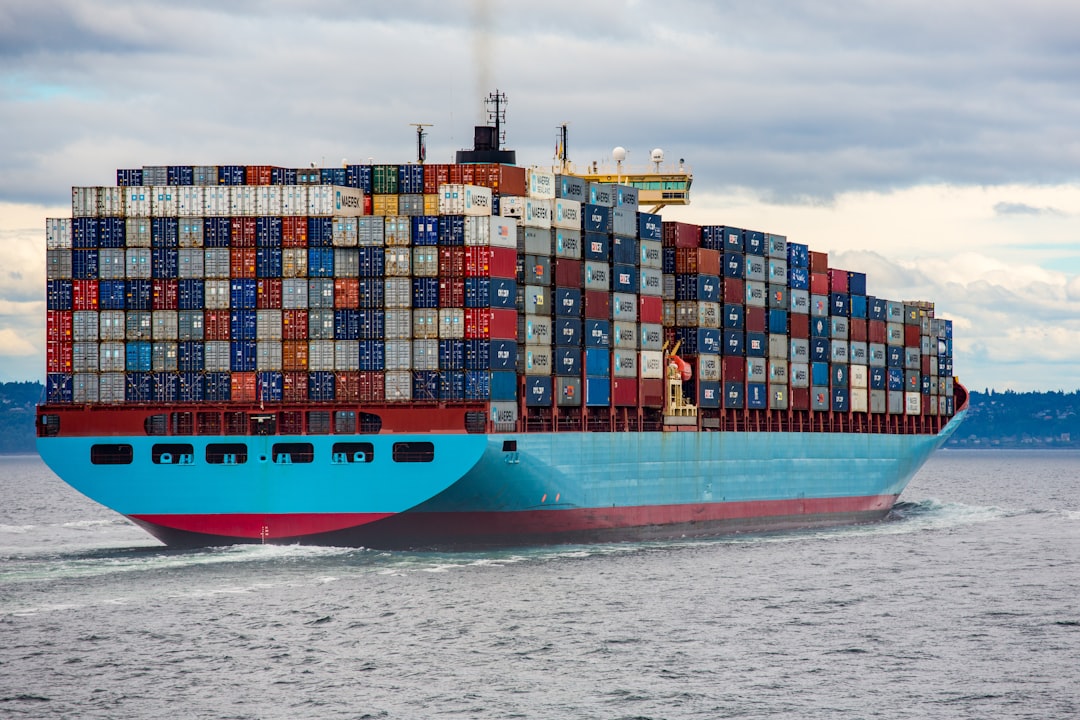
Marine cargo insurance is crucial for protecting your goods while in transit over water, whether you’re an importer or exporter. This type of insurance covers the loss or damage of goods shipped by sea and sometimes includes air transit. It is essential for businesses involved in international trade to secure cargo insurance for shipping to mitigate the risks associated with shipping. Depending on the value of the merchandise and the route, the marine cargo insurance cost can vary significantly. Understanding the specifics of your coverage can save you from substantial financial losses and ensure the continuity of your operations.
Steps to Secure Insurance
- Evaluate your shipping needs and potential risks by analyzing past incidents and current shipping routes.
- Research and compare various marine cargo insurance providers to find the most comprehensive and cost-effective options.
- Consult with an insurance broker or professional to understand the specific terms and exclusions of different policies.
- Decide on the coverage limit based on the value of goods shipping frequency, and risk tolerances.
- Review the terms thoroughly to ensure all aspects such as coverage for piracy or natural disasters are included as needed.
- Negotiate policy terms if necessary, especially if you are frequently shipping high-value or volume goods.
- Finalize and purchase your policy, ensuring a smooth transaction to establish coverage effective from the necessary date.
By following these steps businesses can secure a marine cargo insurance policy that aligns with their needs and budget. It is vital to keep the insurance documentation organized and accessible to facilitate any claims process efficiently if a loss occurs. A quote from industry experts suggests Managing shipping risks effectively through comprehensive insurance coverage not only protects your assets but also enhances your reputation with partners and clients. Hence, a well-chosen marine cargo insurance policy acts as a safety net, allowing businesses to focus on growth without worrying about logistical uncertainties. Always make informed decisions and periodically review your policy to ensure its adequacy in covering evolving shipping intricacies.
How to Choose the Right Marine Cargo Insurance Policy
Choosing the right marine cargo insurance policy is crucial to safeguarding your shipments against potential losses. When searching for the most suitable policy, it’s essential to evaluate the specific needs of your shipping operations. The scope of coverage, the value of goods being transported, and the shipping routes are all critical factors that should influence your decision-making process. Furthermore, selecting a policy that can efficiently address any unique risks associated with your cargo type can greatly minimize potential financial setbacks.
Considerations for Selection
- Assess the type and value of goods being shipped.
- Understand the coverage limits and exclusions of each policy.
- Evaluate the reputation and reliability of the insurance provider.
- Check for policies tailored to specific shipping methods you use.
- Consider the geographical constraints and risks of your shipping routes.
- Read through claim procedures to ensure they are straightforward.
- Seek advice from industry experts for personalized recommendations.
Working with a reputable insurer is vital to ensure comprehensive protection. It is recommended to select a provider known for swift and fair claims processing. This attribute can significantly reduce downtime and financial disruptions in the event of a claim. Additionally, considering marine cargo insurance policies that offer flexibility and adaptation to evolving shipping needs often provides better long-term value.
Moreover, gaining insights from industry experts can be invaluable when tailoring your marine cargo insurance to specific goods and routes. Their expertise can help navigate complex policy details and offer guidance on selecting supplemental coverage if needed. As an added advantage, seeking expert consultation fosters informed decision-making, thereby enhancing the overall security and efficiency of your shipping operations.
Lastly, understanding the fine print of a marine cargo insurance policy is imperative. It’s not just about selecting coverage; it’s about ensuring peace of mind. By comprehensively reviewing each policy term, conditions and potential limitations you can make an informed choice that precisely aligns with your business requirements. This scrutiny ensures that your shipments are effectively safeguarded, offering you peace of mind as your cargo traverses the globe.