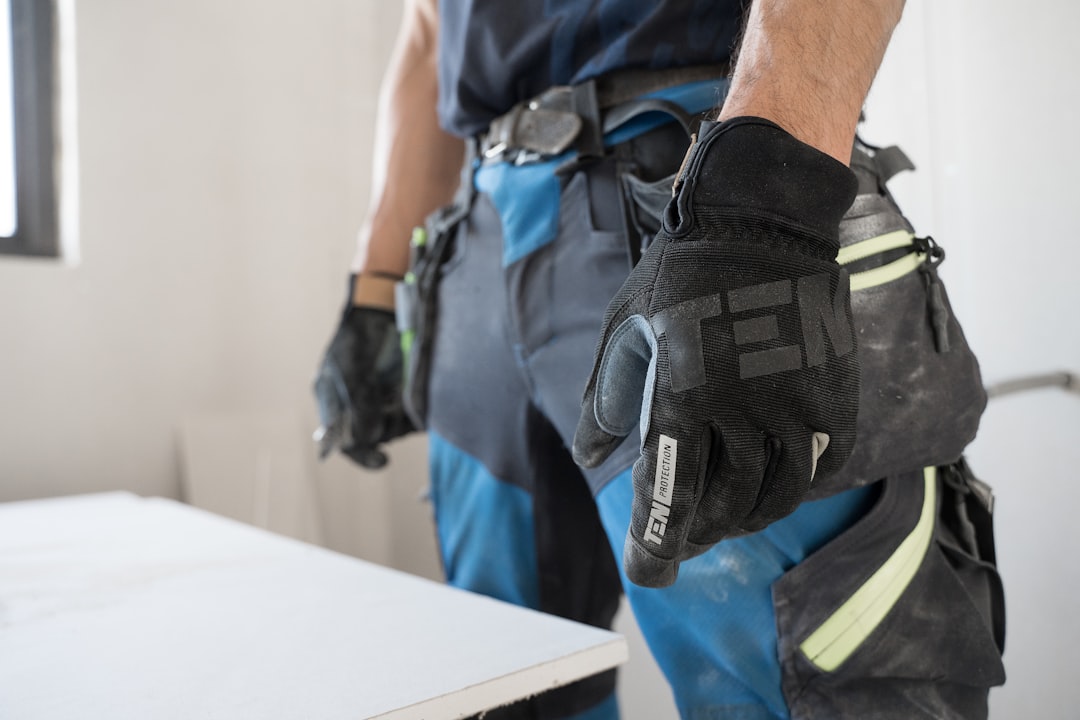
Handyman insurance is essential for contractors to protect against various risks associated with their work. This comprehensive coverage guide and cost analysis highlights why insurance is crucial, detailing the liabilities and potential financial setbacks that can arise. Handyman insurance costs vary based on coverage scope and business size, but it generally includes liability insurance, which is central to safeguarding against injury, property damage, and legal claims. The guide explains the different aspects handyman insurance covers such as accidents on the job site, theft of tools and work-related damages. Furthermore, it outlines the mandatory business insurance requirements for handymen, ensuring they meet legal standards and secure client trust. Overall, investing in handyman insurance is portrayed as a vital step for any contractor looking to maintain a secure and reputable business.
Does a Handyman Need Insurance

As a handyman, your daily tasks might involve frequent travel between job sites handling complex machinery, and managing a variety of property repairs. Because of these multiple layers of exposure to potential risks it’s crucial to secure handyman insurance. This coverage isn’t just a safeguard for your business assets but also serves as an essential piece of credibility to your clients affirming that they’re hiring a professional who takes accountability seriously. Handyman liability insurance offers a safety net against accidents that could otherwise result in expensive legal fees or damage claims.
Key Reasons Why Handyman Insurance is Essential
- Protection from legal action due to accidents or injuries that occur on the job site
- Coverage for damages caused to a client’s property
- Handling medical costs for injuries that might occur while working
- Risk mitigation associated with theft or damage to tools and equipment
- Building trust and enhancing professional image amongst clients
- Ensuring compliance with local business operation laws and regulations
- Potential to secure larger contracts from clients who require insurance proof
General liability insurance for a handyman transcends beyond mere accident coverage; it fundamentally supports the longevity and stability of your business. The right insurance policy not only protects against unforeseen incidents but also enhances customer trust. Clients often prefer to hire insured professionals which can lead to increased business opportunities and higher job security. Acquiring handyman insurance may initially seem like an additional business expense, but its value in risk management and client satisfaction is indispensable.
Investing in a comprehensive handyman insurance plan fortifies your business against the unpredictable elements that come with manual labor and client interactions. Insurance acts not only as a shield against financial loss but also as an essential tool for professional growth. As each job varies in nature, so too can the associated risks. Thus tailoring your insurance to align with the specifics of the services you provide will ensure that you are covered in all aspects of your operations. By prioritizing this you elevate your business’s professionalism and safeguard your financial future.
How Much is Handyman Insurance Cost
Understanding the costs associated with handyman insurance is critical for contractors looking to protect their business while staying financially prudent. The cost of handyman insurance can vary widely based on several factors including the size of your business the types of services offered, and the geographic location. Here, we delve into what impacts the handyman insurance cost and provide a practical guide for budgeting for this essential coverage.
Factors Influencing Handyman Insurance Cost
- Business Size and Scope: Larger handyman businesses or those offering more specialized services often face higher premiums.
- Location: Insurance costs can vary significantly from one state to another due to local regulations and risk levels.
- Experience and Claim History: More experienced handymen with fewer claims typically enjoy lower insurance rates.
- Type of Coverage: The extent and limits of coverage, such as liability or full-spectrum business insurance, influence the cost.
- Equipment and Tools: The more equipment and tools you need to insure, the higher the premium you might expect.
- Risk Management Practices: Effective safety and risk management practices can reduce insurance costs.
For a comprehensive understanding, here’s a detailed table outlining typical handyman business insurance costs across various dimensions. This table provides examples of average costs by business size, services provided, and location, giving a rounded view of what handymen across different settings might expect to pay.
Average Handyman Insurance Costs
| Business Size | Services Provided | Annual Cost Estimate |
|---|---|---|
| Small, Local Operations | General Repairs | $500 – $800 |
| Medium Enterprises | Plumbing, Electrical | $800 – $1,200 |
| Large Businesses | Comprehensive Services | $1,200 – $2,000+ |
In conclusion, while the handyman insurance cost can be quite variable, understanding what affects these costs can help contractors effectively plan and budget for these expenses. By considering the key factors that influence premiums and aligning with suitable insurance providers handyman businesses can achieve adequate coverage without compromising on financial health. Considering specific needs and aligning with the right insurance cover is crucial for long-term business stability and compliance with industry standards.
Handyman Liability Insurance Coverage
Handyman liability insurance is vital for any contractor looking to protect themselves from the financial risks associated with accidents and damages occurring during their operations. This type of insurance can shield against claims related to bodily injury, property damage, and even personal injury, ensuring that your business can continue to operate smoothly despite unexpected challenges.
Types of Liability Coverage
Understanding the different types of liability coverage available is crucial for handyman professionals. These ensure that all aspects of their operations are protected against potential legal and financial issues.
Types of Coverage Included in Handyman Liability Insurance
- General Liability Insurance
- Professional Liability Insurance
- Product Liability Insurance
- Commercial Auto Insurance
- Workers Compensation Insurance
Handyman liability insurance varies broadly in terms of what is covered, thereby necessitating an analysis tailored to your specific business needs. General liability insurance is often the fundamental component as it covers most incidents that could occur on job sites such as injuries or property damage. On the other hand, professional liability covers more specific risks associated with the actual services provided.
| Type of Coverage | What It Covers | Recommended For |
|---|---|---|
| General Liability | Injuries property damage | All handymen |
| Professional Liability | Errors in service | Handymen providing consulting services |
| Product Liability | Damage from tools or materials used | Handymen selling products along with services |
| Commercial Auto | Vehicles use related accidents | Handymen using vehicles extensively |
Additional Protection Options
The need for comprehensive handyman insurance doesn’t end with liability coverage. Handymen should also consider other forms of protection to provide a full safety net. Additional protection options such as business property insurance or business interruption insurance can be crucial in maintaining your business operations during adverse conditions.
Handyman liability insurance not only safeguards you from the obvious risks but also ensures that your business’s financial health is maintained. It provides peace of mind, allowing you to focus on what you do best without fear of unexpected financial burdens. This insurance serves as a foundation for a resilient business prepared to handle the lawsuits and claims that are common in this industry.
To sum up, every component of handyman liability insurance plays a significant role in stabilizing your business’s operational security. Make sure to tailor your insurance package to meet the unique needs of your services and customer interactions. Determine which types of liability are most pertinent to your handyman business and consult with an insurance professional to ensure all areas of risk are adequately covered.
Learn more about tailored coverage for contractors at Handyman Insurance from Progressive Commercial.
What Does Handyman Insurance Cover

Handyman insurance is a crucial protection for contractors offering a safeguard against a wide range of potential risks encountered during their work. This type of insurance primarily consists of general liability insurance for handyman professionals which covers incidents such as bodily injury, property damage, and legal defenses. It’s designed to protect not just the financial stability of the business but also its reputation and operational continuity.
Comprehensive Coverage Aspects
- Property damage liability
- Bodily injury coverage
- Medical payments
- Legal defense costs
- Personal and advertising injury
- Tools and equipment coverage (optional add-on)
- Workers’ compensation (if employing other workers)
Considering the variety of services a handyman may provide, from electrical repairs to plumbing, the insurance needs to be flexible and comprehensive. General liability insurance for handyman is often complemented by additional policies such as property insurance, commercial auto insurance, and in some cases professional liability insurance. Each policy covers different aspects of business risks ensuring that handymen can perform their duties without the looming threat of possible financial repercussions from accidents or errors.
Understanding Common Coverage Scenarios
Common scenarios where handyman insurance can prove essential include accidental damage to a client’s property while working, injuries to third parties due to tools or materials or even accusations of non-compliance with local regulations. Moreover, if a handyman advertises services that lead to a copyright dispute, the personal and advertising injury coverage included in their policy can cover legal fees and damages. A thorough understanding of these scenarios help handymen appreciate the importance of maintaining robust insurance coverage.
The differences between various coverage options can be complex, and selecting the right types and amounts of insurance is key to a well-protected business. Handyman insurance policies can be tailored to the specific needs of the contractor, taking into account everything from the types of jobs undertaken to the size and scope of the business operations.
Handyman Insurance Coverage Comparison
| Insurance Type | Coverage Offered | Typical Industries |
|---|---|---|
| General Liability | Injury, Property Damage, Legal Defense | Construction, Home Repair |
| Commercial Auto | Vehicle Damage, Theft, Collision | Plumbing, Electrical Services |
| Professional Liability | Errors Negligence, Misrepresentation | Consulting, Design Services |
| Workers’ Compensation | Employee Injury, Disability Benefits | All fields requiring staff |
Ultimately, general liability insurance for handymen anchors the broader spectrum of policies that constitute handyman insurance. This foundational coverage is adjusted by adding other specific policies aimed at providing complete protection against the unique risks faced by handymen in their daily operations. By understanding and choosing the right combination of coverage, handymen can focus on their work with confidence, knowing they are well-protected against unforeseen events.
Handyman Business Insurance Requirements
Understanding the specific handyman business insurance requirements is crucial for contractors aiming to protect themselves against unforeseen liabilities and financial losses. This type of insurance typically includes several components such as general liability, professional liability, and workers’ compensation, each serving to shield different aspects of your operations. Without proper handyman liability insurance, a contractor might face significant out-of-pocket expenses in the event of accidents injuries or legal claims related to their work. Therefore, it’s essential for any contractor in this field to secure adequate coverage that aligns with their business activities and scale.
Steps to Ensuring Proper Insurance Coverage
- Evaluate Your Business Risks: Understand what specific risks your handyman business faces.
- Consult with an Insurance Professional: Seek advice to tailor a policy that matches your unique needs.
- Compare Different Insurance Offers: Shop around to find the best coverage options and rates.
- Consider Combining Policies: Look into bundle options that can provide broader coverage while saving money.
- Regularly Review and Update Your Coverage: As your business grows ensure your policy still fits your needs.
- Train Your Staff: Proper training can reduce the likelihood of accidents and claims.
- Keep Detailed Records: Maintain records of all incidents and insurance communications.
Implementing these targeted steps can significantly mitigate the risks associated with running a handyman business. Investing in comprehensive handyman insurance not only safeguards against potential threats but also enhances your business’s credibility and professionalism. Clients are more likely to hire contractors who have clear proof of insurance; it signals reliability and preparedness for any incidents that might occur. Hence, not only is insurance a legal safeguard, but it often serves as a competitive advantage in the bustling contractor market.
The right insurance will not just protect; it will propel your business towards greater stability and trust in the market.
For details on protecting manufacturing operations, see our guide on Machine Shop Insurance: coverage and costs.