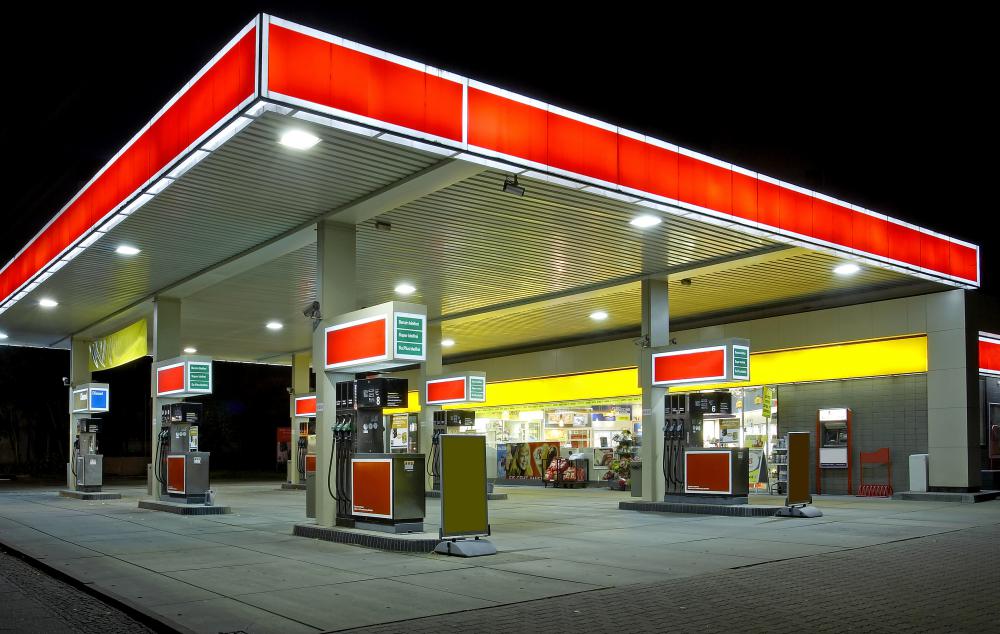
Gas station insurance is a specialized policy designed to protect gas station owners from the unique risks associated with their business. This blog post explores various aspects of gas station insurance, starting with a clear explanation of what it entails. It delves into the specifics of coverage options available, including protection against property damage, liability claims and environmental risks. Additionally, the post addresses the costs associated with these policies noting that premiums can vary based on location, size, and specific services offered by the gas station. Understanding these costs is crucial for owners when choosing the right insurance for their business. Finally, the article provides guidance on selecting the most suitable coverage, emphasizing the importance of comprehensive protection tailored to the unique needs of gas stations. This ensures business continuity and safeguards against potential financial losses affirming the significance of investing in appropriate gas station insurance.
What Is Gas Station Insurance?
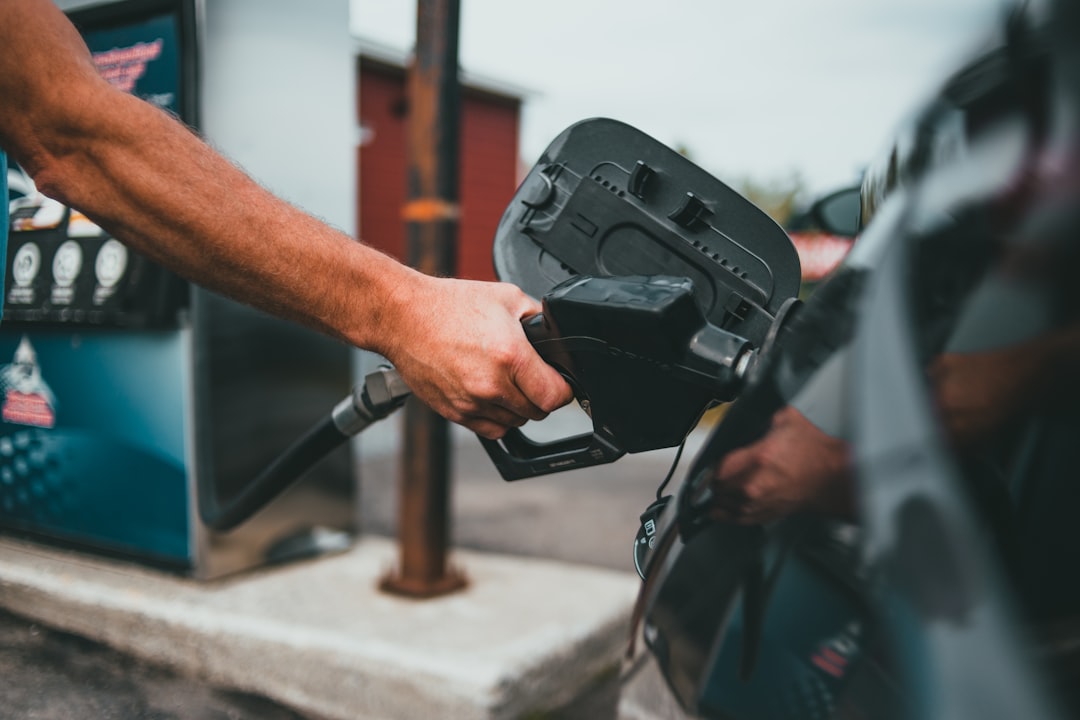
Gas station insurance is a specialized type of commercial insurance designed to protect gas station owners from the unique risks associated with operating a gas station. This type of insurance typically includes multiple coverage options tailored to safeguard various aspects of the business ensuring that owners are protected from potential financial losses. Having the right insurance for gas stations not only helps in complying with legal requirements but also provides peace of mind that the business is shielded against unexpected events.
Key Features of Gas Station Insurance
- Property Damage Coverage: Protects against damages to buildings pumps and other physical assets.
- General Liability Insurance: Covers legal liability for third-party injuries and property damage.
- Employee Protection: Includes worker’s compensation for work-related injuries or illnesses.
- Environmental Liability: Addresses pollution or contamination issues that can arise from storage tanks.
- Business Interruption Insurance: Helps cover lost income due to temporary shutdowns.
- Crime Insurance: Protects against losses from theft, vandalism, or other criminal activities.
- Equipment Breakdown Coverage: Safeguards against the cost of repairing malfunctioning equipment.
Securing comprehensive gas station insurance is crucial for protecting not only the physical components of the business but also its financial stability. Insurance for gas stations ensures that operators are safeguarded from costly legal battles property repairs and potential environmental hazards. The importance of tailored insurance solutions cannot be overstated; they provide a safety net that prevents minor incidents from becoming major financial burdens. For a gas station, having robust insurance coverage is not a luxury but a necessity, empowering owners to operate with confidence and security.
Gas station insurance is essential for managing the complexities and inherent risks associated with operating a fueling station.
Insurance for Gas Stations Explained
Insurance for gas stations is crucial for managing the unique risks associated with this business. As a gas station owner, understanding the different types of gas station insurance coverage can be a complex task. However, securing the right coverage is essential to protect your investment and ensure compliance with industry regulations. In this section, we will delve deeper into the types of coverages available, industry-specific concerns and provide actionable steps to help you comprehend the nuances of gas station insurance.
Types of Coverages
When considering insurance for gas stations it’s important to know the various types of coverages available. A comprehensive policy typically includes property insurance, general liability insurance, and workers’ compensation. Property insurance covers damages caused by incidents such as fires theft, or natural disasters. General liability insurance is important to protect against claims from third-party injuries or property damage that occur on your premises. Lastly, workers’ compensation is crucial to cover medical expenses or lost wages if an employee is injured on the job.
Common Gas Station Insurance Policies
| Type of Coverage | What It Covers | Why It’s Important |
|---|---|---|
| Property Insurance | Fire, theft, disasters | Protects business assets |
| General Liability | Customer injuries/damages | Avoids costly lawsuits |
| Workers’ Compensation | Employee injuries | Ensures workforce safety |
| Environmental Liability | Pollution and spills | Compliance with regulations |
Besides the basic coverages gas stations may require specialized endorsements such as equipment breakdown or cyber liability insurance. Each of these additional coverages can be customized based on the specific needs and risks of your business. It’s crucial to regularly review and update your policy to adapt to changing business operations and regulatory requirements.
Industry-Specific Concerns
Operating a gas station comes with its own set of industry-specific concerns that can influence the choice of insurance coverage. Environmental risks such as fuel tank leaks require dedicated coverage to manage potential pollution claims. Another important factor is the high volume of customer traffiç which increases the risk of accidents. As per industry standards gas station insurance must comply with environmental laws and safety regulations. This ensures that all potential liabilities are adequately covered, safeguarding both your business and the community.
Steps to Understand Gas Station Insurance
- Evaluate your specific business risks and needs.
- Identify the mandatory and optional coverages required.
- Consult with an insurance expert familiar with gas station insurance.
- Compare quotes from different insurance providers.
- Review policy terms conditions and exclusions in detail.
- Ensure regular policy reviews and updates as regulations change.
By understanding and utilizing gas station insurance coverage, you can safeguard your business against unforeseen events. Proper insurance not only protects your assets but also ensures operational continuity. It’s a necessary investment that provides peace of mind while complying with legal obligations. Remember, when choosing insurance for gas stations consider both industry-specific needs and potential future risks making it an integral part of your risk management strategy.
Gas Station Insurance Coverage Options
When considering gas station insurance, understanding the variety of gas station insurance coverage options available is crucial. These coverage plans are designed to protect against the unique risks that gas stations face, ranging from environmental hazards to liability issues. Comprehensive coverage ensures that a gas station is well-equipped to handle unexpected incidents that can arise during daily operations. Many gas station owners find it beneficial to combine several types of policies to create a more robust safety net.
Coverage Options Available
- General Liability Insurance
- Property Insurance
- Workers’ Compensation Insurance
- Pollution Liability Insurance
- Cyber Liability Insurance
- Business Interruption Insurance
- Commercial Auto Insurance
The gas station insurance cost is influenced by several factors including the type and extent of coverage chosen. For instance, a comprehensive package that includes pollution liability and cyber liability coverage might be more costly but provides a higher degree of protection. Each insurance type serves a specific purpose, such as safeguarding against external legal claims or protecting physical assets and employees. To effectively manage expenses gas station owners should carefully assess their business needs against the potential risks and select the most appropriate coverage.
Discover more industry-specific policies in our Business Insurance category.
Comparative Coverage Table
It is often helpful to view a comparative analysis when selecting the right insurance for your gas station. Comparatively analyzing different policies can highlight the benefits of specific coverage options and assist in determining which plan offers the best protection for your investment. A table detailing features benefits and associated costs of different insurance options can be an invaluable tool for decision making. This approach allows you to pinpoint areas where additional coverage might be necessary while also understanding which policies are essential based on your unique business model.
Cost of Gas Station Insurance Policies
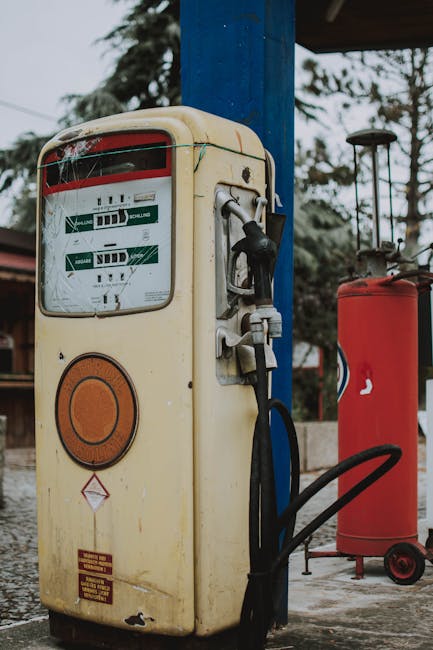
When evaluating the gas station insurance cost, it’s essential to consider several factors that can influence the overall pricing structure. Typically, the cost of insurance for gas stations encompasses various types of coverage, including property damage, liability insurance, and worker’s compensation. These policies are necessary to protect your investment from unexpected incidents but the premiums can vary significantly based on several criteria.
| Policy Type | Average Annual Premium | Coverage Details |
|---|---|---|
| Property Damage Insurance | $1,200 – $3,000 | Covers damage to the station structure and equipment |
| Liability Insurance | $800 – $2,500 | Protects against customer injury and claims |
| Worker’s Compensation | $1,500 – $4,000 | Provides coverage for employee injuries |
| Environmental Insurance | $2,000 – $5,000 | Covers pollution and contamination issues |
The comprehensive cost analysis reveals a wide range of premiums based on specific policy types. One of the most sought-after protections for gas stations is environmental insurance, which can come at a higher cost due to the potential risks associated with fuel spillage and contamination. Meanwhile, liability and worker’s compensation play essential roles in safeguarding financial interests against legal and medical expenses. Understanding these cost variations helps in making an informed decision on the appropriate level of coverage for your operations.
Factors Influencing Gas Station Insurance Cost
- Location of the gas station
- Volume of fuel sold annually
- Number of employees and payroll size
- Presence of additional services (car wash, repair shop)
- Claims history and safety record
- Security measures in place (cameras alarms)
- Proximity to high-risk areas
Several critical elements determine the rates you may encounter when exploring insurance for gas stations. The location is a primary factor, as stations in urban areas may face higher premiums due to increased risk exposure. The volume of fuel sold also affects rates as higher sales volumes often correlate with elevated risks. Additional services and security measures can either raise or lower your insurance costs offering both challenges and opportunities to minimize expenses. Ultimately, maintaining a good safety record and addressing claims in a timely manner are vital to managing the financial impact effectively.
Choosing the Right Insurance for Gas Stations
When it comes to selecting the best gas station insurance, it is crucial to explore comprehensive options that meet your business needs. The right insurance not only provides coverage for potential risks but also safeguards against financial loss due to unforeseen circumstances. As gas stations face unique challenges including fire hazards and environmental liability, tailoring the insurance policy to address these specific risks ensures peace of mind. Additionally, consider the impact of insurance for gas stations on your overall business operations ensuring that it supports your growth objectives while keeping policy costs manageable.
For more details on specialized coverage options, you can also visit Aligned Insurance’s gas station insurance guide.
Steps for Selecting the Best Insurance
- Evaluate the specific risks associated with your gas station to determine necessary coverages.
- Research various insurance providers specializing in gas station policies.
- Seek expert advice or consult with an insurance broker to explore tailored policy options.
- Compare quotes from multiple insurers to find competitive rates without compromising coverage quality.
- Review policy exclusions and conditions thoroughly to identify any potential gaps in coverage.
- Assess the insurer’s reputation and financial stability to ensure reliable claim settlements.
- Continuously reassess your coverage needs as your business evolves to maintain optimal protection.
Incorporating these steps will help in making informed decisions when purchasing gas station insurance. It is essential to ensure the chosen insurance policy aligns with your business objectives and provides adequate protection against both common and industry-specific risks. By consistently reviewing and updating your insurance plan, you not only protect your business assets but also uphold employee safety and customer trust, establishing your gas station as a reliable service provider in your community.
Frequently Asked Questions
What does gas station insurance typically cover?
Gas station insurance typically covers property damage, general liability, and equipment breakdown, among other things. It provides protection against risks like theft, fire, and liability claims from customers.
Why is gas station insurance important?
Gas station insurance is important because it protects the business owner from potential financial losses due to accidents fuel spills equipment malfunctions and legal liabilities which could otherwise significantly impact their operations.
How can gas station owners determine the right coverage limits?
Gas station owners can determine the right coverage limits by assessing their specific risks considering the size and location of their operation, and consulting with insurance professionals to tailor a policy that adequately meets their needs.
Are environmental risks covered under standard gas station insurance policies?
Standard policies may not cover environmental risks such as fuel spills or leaks. Owners often need to purchase additional pollution liability insurance to protect against environmental damages.
What factors influence the cost of gas station insurance?
The cost of gas station insurance is influenced by factors such as the station’s location, size, annual revenue, claims history, and the types of coverage and coverage limits selected.
Is worker’s compensation included in gas station insurance?
Worker’s compensation is typically not included in standard gas station insurance policies. Business owners need to purchase it separately to cover employee-related injuries and illnesses.
How can gas station owners reduce their insurance premiums?
Owners can reduce insurance premiums by improving safety measures training employees increasing security, maintaining a good claims history, and potentially raising deductibles after consulting with an insurance expert.
Can gas station owners bundle different types of insurance?
Yes many insurers offer package policies that allow gas station owners to bundle different types of coverage, such as property, liability, and equipment breakdown insurance, often resulting in cost savings.
What should owners look for when choosing an insurer for gas station insurance?
Owners should look for insurers with specialized experience in the industry, strong financial ratings a track record of good customer service, and competitive pricing when choosing an insurer for gas station insurance.
How often should gas station insurance policies be reviewed?
Gas station insurance policies should be reviewed annually or whenever there is a significant change in operations or risk profile to ensure the coverage remains adequate and up to date with the business needs.