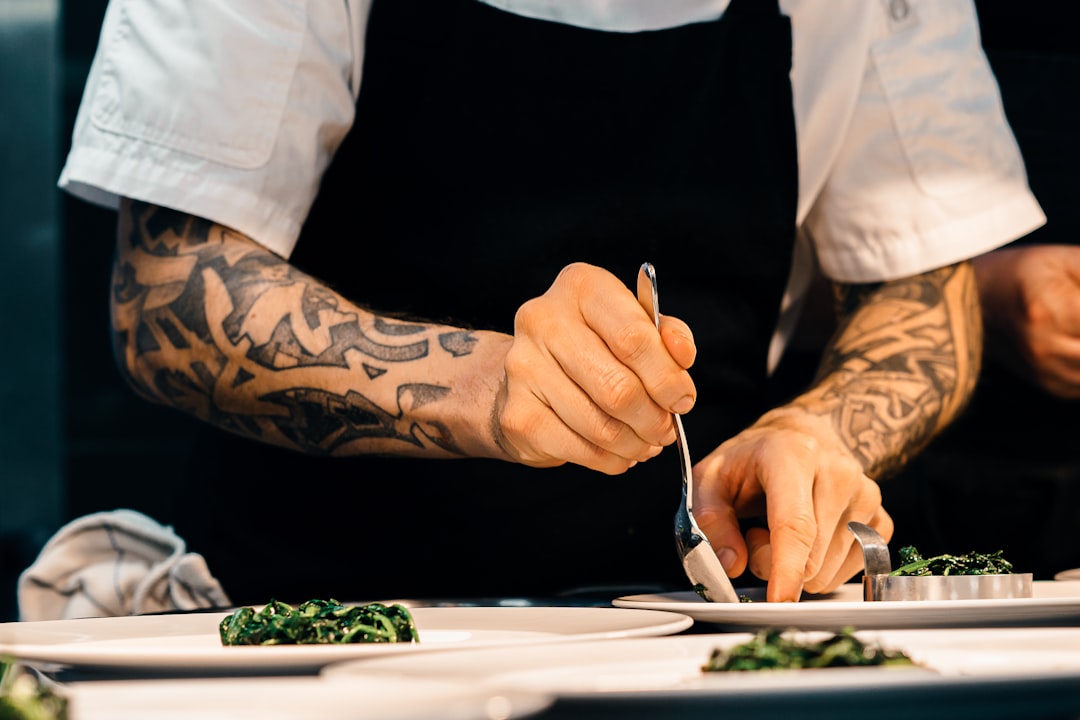
Private chef insurance is crucial for chefs who offer personal culinary services, covering potential liabilities and risks associated with their profession. This blog post outlines why private chef insurance matters, emphasizing the protection it offers against property damage, foodborne illness claims, and workplace accidents. It details the types of coverage available, including general liability, professional liability, and equipment insurance, catering to the unique needs of private and personal chefs. The article also highlights key factors influencing private chef insurance costs, such as location, services offered, and equipment value. Additionally, guidance is provided on obtaining a private chef insurance quote, encouraging chefs to compare multiple providers to find the best deal. Finally, it offers tips for selecting the most suitable insurance plan, advising chefs to assess their specific risks and consult with insurance experts to ensure comprehensive protection. This informative piece underscores the essential nature of private chef insurance for career longevity and peace of mind.
What Is Private Chef Insurance and Why You Need It

Private chef insurance is a specialized form of protection tailored specifically for culinary professionals who work independently or within private households. As a private or personal chef, your culinary talents are highly valued, but this role also carries various risks that standard insurance might not cover. Issues like foodborne illnesses, kitchen accidents, or even damage to a client’s property during food preparation are potential challenges that need addressing. Hence, securing private chef insurance is crucial to shield yourself from unforeseen legal and financial liabilities. Without adequate insurance, you might find yourself personally responsible for costly claims that could significantly impact your business and reputation.
Reasons to Consider Private Chef Insurance
- Protection against lawsuits from food-related incidents.
- Coverage for accidental damages to clients’ property.
- Safeguard against personal injury claims in the kitchen.
- Peace of mind for both the chef and the client.
- Ability to uphold professional standards and trust.
- Flexibility to tailor coverages to specific culinary offerings.
- Comprehensive support in managing risk effectively.
Understanding the importance of personal chef insurance extends beyond merely meeting job requirements; it serves as a strategic investment in your professional stability. Not only does it cover food-related claims, but it also provides a buffer for other unforeseen incidents, such as equipment breakdowns or missed service due to emergencies. Ultimately, having comprehensive coverage allows chefs to focus on their culinary creations, knowing they are backed by adequate protection. As you navigate through the various types of coverage, consider your unique needs and potential risks to choose an insurance plan that aligns with your professional aspirations and provides robust support against the complexities of being a private chef.
Looking for plans tailored to small operations? Check out our guide on Best Small Business Insurance.
Types of Coverage for Private and Personal Chefs
In the world of culinary arts, private chefs and personal chefs face unique challenges that require specialized insurance solutions. The nature of their work often involves handling expensive ingredients, working in diverse environments, and sometimes, managing event catering. This is why securing the right private chef insurance is crucial. There are several types of coverage options available that can protect chefs against potential risks and liabilities. Below, we explore these coverage options in detail.
Liability Insurance
Chef liability insurance is a fundamental aspect of protection for any private or personal chef. This type of insurance covers claims related to property damage, bodily injury, and legal defense that may arise from the services provided. Whether you’re working privately in a client’s home or managing a catering business insurance is essential to safeguard against unexpected accidents or mishaps.
Essential Coverage Types for Chefs
- General Liability Insurance
- Property Insurance
- Product Liability Insurance
- Workers’ Compensation
- Professional Liability Insurance
Choosing the right insurance can mean the difference between a minor inconvenience and a major financial setback. While liability insurance is imperative, chefs also need to consider other forms of coverage, such as property insurance. This covers damage or loss of equipment, ingredients, or even hired venues that might be essential to the chef’s work. Let’s delve into what property insurance encompasses.
Property Insurance
Property insurance provides protection for the physical assets associated with your culinary business. From kitchen equipment to ingredients, this insurance is designed to cover damage due to events like fire, theft, or vandalism. For personal chefs, ensuring that their resources and tools are protected is crucial for the continuity of their service. It’s important to evaluate the value of what needs protection and choose coverage limits accordingly.
| Type of Coverage | Description | Who Should Consider It? |
|---|---|---|
| General Liability Insurance | Covers third-party injuries and damages | All chefs |
| Property Insurance | Protects physical assets like equipment | Chefs with substantial equipment |
| Workers’ Compensation | Covers employee injuries | Chefs with staff |
| Professional Liability Insurance | Covers professional errors | Experienced chefs with complex services |
Ensuring proper insurance coverage extends beyond protecting yourself and your equipment. If you employ staff to assist you, perhaps as sous chefs or kitchen aides, you will need workers’ compensation insurance. This type of coverage is vital in the event that an employee is injured while performing their duties.
Workers’ Compensation
Workers’ compensation is not only a legal requirement in many places but also a sensible measure to protect both the employer and employees from potential financial hardships due to workplace injuries. For private chefs and those running a catering business, having a comprehensive workers’ compensation plan can help cover medical expenses and lost wages for employees who may suffer injuries while on the job. This coverage ensures peace of mind and promotes a safe working environment.
In conclusion, navigating the spectrum of private chef insurance can seem daunting, but understanding your unique needs and rights can guide you in selecting the best protection for your culinary craft. Adequate coverage not only keeps you compliant with legal stipulations but also provides a safety net against unexpected events, allowing you to focus on what you do best—creating remarkable dining experiences.
For specialized coverage designed for culinary professionals, visit Personal Chef Insurance at FLIP.
Key Factors That Affect Private Chef Insurance Cost
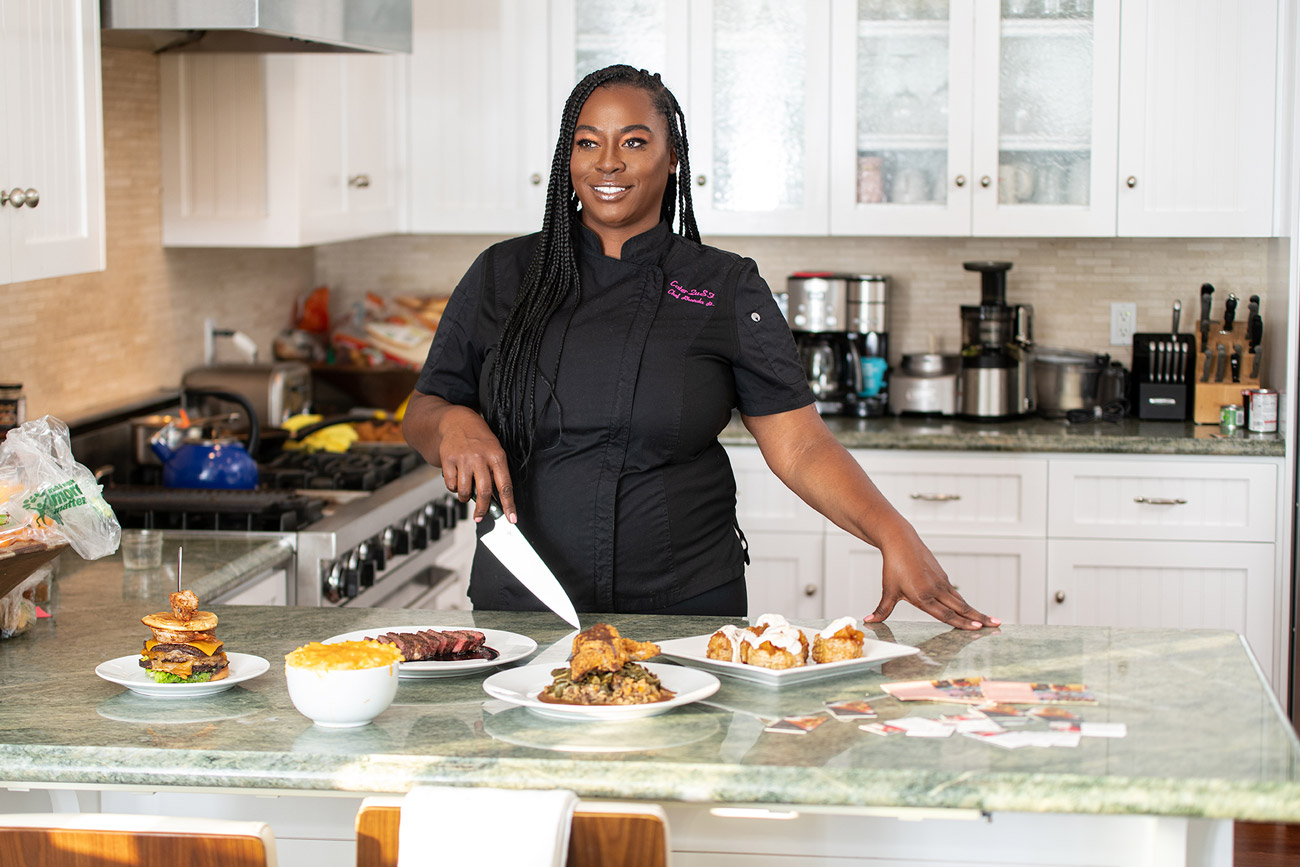
Understanding the various elements that contribute to the cost of private chef insurance is crucial for culinary professionals who wish to safeguard their careers. Numerous factors impact the pricing, including the scale of operations and specific services offered. For instance, a chef providing catering services may encounter different pricing structures due to different risk exposures associated with larger events. The catering insurance cost can vary compared to standard private chef insurance due to these additional risks. Furthermore, comprehensive plans tailored to the unique needs of chefs ensure adequate protection and potentially lower long-term expenses.
Factors Influencing Insurance Cost
- Experience and Chef’s Background
- Scope of Culinary Services
- Location of Operations
- Annual Revenue and Clientele Base
- Claims History and Risk Management Practices
- Type of Equipment Used
- Policy Coverage Limits
Choosing the right level of coverage can significantly impact the overall cost of private chef insurance. It’s essential to understand the inclusions and exclusions of each policy to ensure you’re only paying for what you need. Below is a table illustrating various coverage options and their potential impacts on insurance costs. This visualization will help chefs compare different plans effectively.
| Coverage Option | Description | Impact on Cost |
|---|---|---|
| General Liability | Covers third-party bodily injury and damage | Moderate |
| Professional Liability | Covers negligence and professional errors | High |
| Equipment Coverage | Covers kitchen equipment loss or damage | Low to Moderate |
| Product Liability | Covers risks related to food served | Varies |
Moreover, location is a pivotal determinant in insurance cost for private chefs. For instance, operating in an urban area versus a rural setting can drastically influence premiums due to differing incidence rates of claims and associated legal costs. Additionally, each state may have unique insurance regulations that further modulate cost structures.
Location-Based Rates
Being mindful of your operating area can save you money on insurance premiums. Metropolitan areas often have higher costs due to increased competition and risk, whereas suburban or rural areas may offer slightly lower rates. For example, a private chef working in downtown New York might encounter higher private chef insurance costs compared to someone in a smaller town with fewer clients and reduced exposure to liability claims. It’s vital to balance your operating locale with your coverage needs to find the most effective insurance solution for your culinary business.
On the other hand, the degree of coverage sought also affects the pricing. Higher coverage levels generally equate to heightened premiums, yet they offer more comprehensive protection against a variety of risks. Therefore, selecting suitable coverage levels is paramount to ensure complete protection without incurring unnecessary expenses.
Coverage Levels
Private chefs must consider a range of coverage levels to balance adequate protection with cost-effectiveness. Higher coverage levels, while providing broader protection, are more expensive and should be assessed against the potential risks specific to the chef’s practice. It’s critical to select a policy that aligns with your risk exposure and operational dynamics. Utilizing comparative analysis tools can be beneficial in navigating these decisions, ensuring you choose the best possible insurance plan that meets both your needs and financial constraints.
How to Get a Private Chef Insurance Quote
Securing a quote for private chef insurance is crucial for safeguarding your culinary business against potential risks. With an increasing focus on personalized dining experiences, obtaining the right coverage is more important than ever. Personal chef insurance offers a safety net, ensuring that unforeseen events do not derail your career. When seeking a quote, consider the specific needs and nuances of your business operations.
Steps to Obtain an Insurance Quote
- Research potential insurance providers specializing in private chef insurance to understand their reputation and client feedback.
- Gather all necessary business information including your experience level, types of services offered, and your client base.
- Contact multiple insurers to discuss available plans and coverage options tailored for private and personal chefs.
- Request detailed quotes that outline the costs, benefits, and exclusions of each policy.
- Compare the quotes received, focusing on the scope of coverage, premium rates, and policy limits.
- Consider any additional coverage needs such as equipment breakdown or loss of income protection.
Once you have gathered and compared insurance quotes, it’s essential to make an informed decision. Private chef insurance not only covers liability but also offers peace of mind, allowing you to focus on delivering exceptional culinary experiences to your clients. Personal chef insurance plans can be complex, but investing time in finding the right coverage ensures that your business remains protected against a wide array of risks. Remember, the cheapest option may not always provide the best protection; carefully assess each plan to ensure it aligns with your professional needs.
Tips for Choosing the Best Insurance Plan
When selecting a private chef insurance plan, it is crucial to evaluate the options carefully to ensure comprehensive coverage for your specific needs and risks. Chef liability insurance is a major component of this plan, safeguarding you against potential lawsuits or claims arising from professional mishaps. Consider factors such as coverage limits, policy exclusions, and the reliability of the insurance provider. It’s essential to match the policy features with your unique culinary business operations to maintain financial stability and peace of mind.
Best Practices for Selecting Insurance
- Assess your specific business needs and risks.
- Compare multiple insurance providers and policies.
- Understand policy terms and conditions thoroughly.
- Ensure the coverage includes both liability and property protection.
- Check customer reviews and service ratings of the insurer.
- Consult with an insurance advisor if needed.
- Review and reassess your coverage annually.
In addition, it’s important to consider not only the price but also the value offered by the insurance plan. Good chef liability insurance should cover a wide array of possible incidents, from accidents in the kitchen to foodborne illness, and tailor to both personal and professional usage. According to industry experts, choosing the right insurance can make all the difference between a minor setback and a major financial burden. Make sure that your coverage can flexibly adapt as your business grows, ensuring continued protection against evolving risks in the culinary profession.