
Mortgage insurance plays a critical role for homeowners providing financial protection to lenders in cases where borrowers fail to repay their loans. It is particularly important for those unable to make a 20% down payment. Mortgage protection insurance ensures that the home loan remains paid under challenging circumstances covering scenarios like job loss or death of the borrower. Mortgage life insurance specifically benefits the borrower’s family by paying off the loan if the borrower passes away. Private Mortgage Insurance (PMI) is required for conventional loans with down payments less than 20%, offering benefits like easier access to home financing. The cost of mortgage insurance can vary based on several factors including loan amount and type. While an additional expense, the benefits of mortgage insurance include reduced financial risk for both borrowers and lenders making it a valuable option for many entering the housing market.
What Is Mortgage Insurance?

Mortgage insurance plays a crucial role in home financing, providing a safety net for lenders when borrowers are unable to make their loan payments. It is a policy that protects the lender rather than the homeowner. When a buyer puts down less than 20% on a home, lenders often require mortgage loan insurance to mitigate the risk associated with lending a significant amount of money. This insurance ensures that lenders are compensated in the event of a default, enabling them to offer loans with lower down payment requirements. In essence, mortgage loan insurance facilitates homeownership by making it more accessible to a wider range of people.
Common Types of Mortgage Insurance
- Private Mortgage Insurance (PMI)
- FHA Mortgage Insurance Premium (MIP)
- VA Loan Funding Fee
- USDA Guarantee Fee
- Lender-paid Mortgage Insurance
- Borrower-paid Mortgage Insurance
- Single Premium Mortgage Insurance
Mortgage protection insurance is often confused with mortgage insurance, but they serve different purposes. While mortgage insurance protects lenders mortgage protection insurance is designed to help homeowners. This type of policy ensures that in the event of the borrower’s death or disability, the insurance will cover the remaining mortgage balance, relieving the family of financial stress. For homeowners understanding the benefits and requirements of these insurance types can provide peace of mind and financial security.
Several factors influence the cost of mortgage insurance. Premiums can vary based on the type of loan, the down payment amount, and the borrower’s credit score. Understanding these variables can help borrowers assess their financial situation and make informed decisions about home financing. Moreover, knowing the terms and conditions will assist in mapping out future expenses as some mortgage insurance policies allow for cancellation once certain equity thresholds are reached. Therefore, grasping the intricacies of mortgage insurance is essential for all prospective homeowners who wish to enter the market with confidence.
What Mortgage Protection Insurance Covers
Mortgage protection insurance offers homeowners peace of mind by safeguarding their financial commitments in times of uncertainty. This type of insurance typically covers the balance of your mortgage if an unforeseen event, such as death, disability, or job loss prevents you from meeting your payment obligations. By transferring the risk to an insurer, you ensure that your loved ones are not burdened with payments they cannot afford if you are unable to work. Understanding mortgage life insurance is crucial for all homeowners as it directly impacts the protection of your largest investment and the financial security of your family.
Coverage Items Include
- Outstanding mortgage balance during death or disability
- Temporary or permanent disability insurance coverage
- Job loss protection for a fixed period
- Critical illness coverage
- Accidental death benefits
- Protection against certain natural disasters
- Home loan continuation benefits
Choosing the right policy is essential as it determines the scope of coverage you receive under home loans mortgage insurance. Having a clear understanding of these coverage items allows you to align the policy with your specific needs and circumstances. As the saying goes
It’s better to have it and not need it, than to need it and not have it,
emphasizing why investing in comprehensive insurance can significantly impact your financial future. Remember, while mortgage protection coverage may vary, it is fundamentally designed to ensure that your home remains secure, even when the unexpected arises.
How Mortgage Life Insurance Works

Mortgage life insurance, often referred to as mortgage protection insurance, is a specialized policy designed to cover the remaining balance on your mortgage if you pass away before it is paid off. This ensures that your loved ones are not burdened with mortgage debt during a challenging time. Unlike traditional life insurance policies the payout from mortgage life insurance goes directly toward settling your home loan, which provides peace of mind that your family can retain ownership of the home. It’s important to note that while this coverage is immensely beneficial, it is distinct from private mortgage insurance, which is primarily aimed at protecting lenders.
Steps to Understand Mortgage Life Insurance
- Assess your current mortgage balance and term to determine coverage needs.
- Review policy options from various insurers to compare benefits and costs.
- Consider policy riders or additional coverages that might be necessary.
- Calculate your monthly premium to ensure it fits within your budget.
- Read the fine print to understand exclusions and conditions.
- Consult with a financial advisor for personalized advice.
- Make a decision based on thorough research and professional recommendations.
A significant factor influencing your choice should be the premiums associated with mortgage life insurance. These are generally determined by several aspects including your age, health status and the size of your mortgage. Because these variables can significantly affect the cost, it’s crucial to have a clear understanding of these elements when selecting a policy. This kind of insurance may not decrease in value as your mortgage balance decreases so evaluating whether maintaining separate life insurance might be more beneficial is an important consideration.
Key Factors Influencing Premiums
When analyzing premiums it becomes apparent that factors such as age and health play a pivotal role. Older individuals or those with existing health conditions might face higher premiums due to increased risk factors. Moreover, the total mortgage amount that needs coverage is directly proportional to the cost, influencing how much you will pay monthly. By understanding these variables potential policyholders can make more informed decisions about their insurance coverage needs and ensure they aren’t overpaying or under-covering a crucial aspect of financial planning. A thoughtful approach and comparison shopping are indispensable strategies in securing the most suitable mortgage life insurance.
How Home Loans Mortgage Insurance Helps Borrowers
Home loans mortgage insurance serves as a critical financial tool for borrowers who may not have the ideal down payment. This type of insurance protects lenders against the risk of a borrower defaulting on a loan, which in turn provides those borrowers with the opportunity to secure a mortgage even if they lack a substantial down payment. By doing so, mortgage insurance encourages more lenders to approve loans ultimately enabling more potential homeowners to realize their dream of owning a home.
| Coverage Type | Benefits to Borrowers | Typical Costs |
|---|---|---|
| Private Mortgage Insurance (PMI) | Low down payment options flexibility in lender choice | 0.3% to 1.5% of the loan amount annually |
| FHA Mortgage Insurance | Offers loans with as little as 3.5% down | 1.75% upfront, plus annual premiums |
| VA Loan with Funding Fee | No down payment required for eligible veterans | 2.3% of the loan amount for first-time use |
| USDA Loan Insurance | No down payment for rural area loans | 1% upfront fee, 0.35% annually |
Through home loans mortgage insurance, borrowers gain enhanced purchasing power. Instead of waiting potentially several years to save the traditional 20% down payment, they can expedite the home-buying process. This insurance effectively opens doors to greater financial freedom and a quicker realization of home ownership.
Eligibility for Home Loans Mortgage Insurance
Eligibility for mortgage loan insurance varies depending on the type of loan and insurance product selected. For instance, FHA loans have specific criteria such as credit scores and maximum debt-to-income ratios while VA loans require military service qualifications. Understanding these eligibility requirements can make it easier for potential homeowners to navigate the loan approval process and identify the best insurance product for their needs.
Comparison of Coverage Types
Different types of mortgage insurance offer varying benefits and requirements. Private Mortgage Insurance (PMI) is typically required on conventional loans with down payments of less than 20%. On the other hand, FHA loans have different insurance fees that include both an upfront payment and annual premiums. It is crucial to understand the differences in these coverage types to make informed financial decisions. This comparison can provide insight into which product may offer the most advantageous terms relative to a borrower’s unique circumstances.
Impact on Loan Amounts
The presence of mortgage loan insurance also impacts the overall loan amount. With insurance, borrowers may qualify for higher loan amounts than they could without it. This is because the lender’s risk is mitigated through insurance, allowing them to confidently extend more substantial loans. However, it is important to factor in the cost of insurance, as it will contribute to the total monthly mortgage payment.
How Much Is Mortgage Insurance?
Mortgage insurance is a crucial aspect of securing a mortgage loan, especially for those who are unable to make a down payment of 20% or more. The cost of mortgage insurance can vary significantly based on several factors such as loan type, down payment amount, and credit score. Typically, for a conventional mortgage, Private Mortgage Insurance (PMI) can cost anywhere from 0.3% to 1.5% of the original loan amount annually. This means if you have a $200,000 mortgage, you might pay between $600 and $3,000 annually, which would be added to your monthly mortgage payments. It’s important for homeowners to recognize that while mortgage insurance adds to their overall loan cost, it enables them to access home financing options that might otherwise be unattainable.
| Factor | Impact on Cost | Example |
|---|---|---|
| Credit Score | Higher scores often mean lower insurance rates | A score of 750 might get a rate of 0.5% |
| Down Payment Amount | Larger down payments decrease insurance costs | A 15% down payment could lower PMI costs compared to a 5% down payment |
| Loan Type | Different loans have varying insurance requirements | FHA loans have a set rate of 0.85% |
Understanding the cost of mortgage loan insurance is essential for prospective homeowners looking to manage their finances effectively. It’s also worth noting that some government-backed loans like FHA loans have fixed mortgage insurance costs, which are not influenced by credit scores or down payment sizes making them a predictable, albeit sometimes more expensive, option. Ultimately, by knowing how these factors affect mortgage insurance, homeowners can make informed decisions that align with their financial capabilities and homeownership goals. As noted in the larger conversation about mortgage protection, these considerations are part of the broader planning involved in securing a home loan.
Private Mortgage Insurance (PMI)
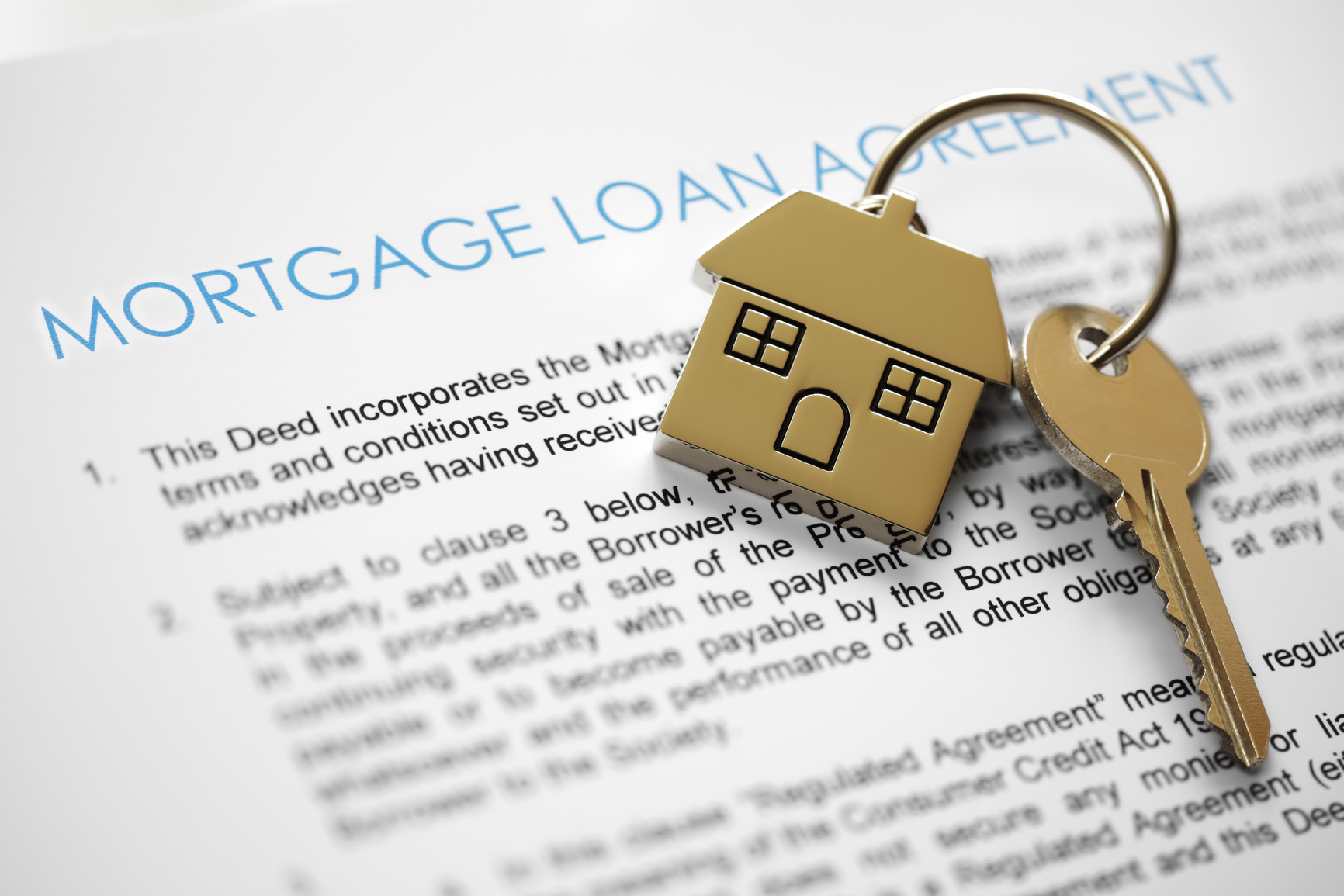
Private Mortgage Insurance (PMI) is a type of mortgage insurance typically required by lenders when a borrower cannot make a down payment of at least 20% of the home’s purchase price. This insurance protects the lender in case the borrower defaults on the loan. While PMI increases the cost of the loan, it enables buyers to purchase homes with lower down payments. In essence, PMI plays a crucial role in making homeownership more accessible by allowing individuals to acquire property with less initial investment. Therefore, it’s essential for potential homeowners to understand the implications and benefits of PMI to make informed financial decisions.
Key Features of PMI
- Covers a percentage of the loan amount
- Required until sufficient equity is built
- Helps borrowers purchase homes sooner
- Premium costs vary by lender and loan type
- Available for conventional loans
- Can be canceled once 20% equity is reached
- Typically adds 0.5% to 1% of loan amount annually
PMI is automatically removed once the borrower attains 22% equity, but borrowers can request cancellation earlier if they have achieved 20% equity through home appreciation or additional mortgage payments. Understanding these conditions can help you determine the long-term cost implications of PMİ Moving forward, it’s essential to recognize when PMI becomes a necessity, which we’ll explore in the following section.
When PMI is Required
PMI is generally required when borrowers make a down payment that is less than 20% of the home’s purchase price. This requirement acts as a safeguard for lenders ensuring they have financial protection against default risks. Lenders typically evaluate several factors to determine PMI needs such as the loan-to-value ratio, credit score, and loan type. Different lending institutions may have varying guidelines on when to implement PMI, but the 20% threshold is a common industry standard. Hence, being aware of these criteria is pivotal for aspiring homeowners planning to finance their properties with lower initial payments.
Benefits of Mortgage Insurance
Mortgage insurance offers numerous advantages for both lenders and homeowners playing a pivotal role in the homeownership journey. For those applying for home loans mortgage insurance acts as a cushion, making it easier to qualify for a loan even when the down payment is less than 20% of the home’s purchase price. This enables potential homeowners to enter the property market sooner rather than later. Additionally, it provides lenders with the security they need to offer favorable terms knowing they are protected from losses should the homeowner default on their loan. Mortgage insurance is a financial tool that balances risk between the borrower and the lender, thereby facilitating smoother real estate transactions.
Top Benefits of Mortgage Insurance
- Improved Loan Approval Odds: With mortgage insurance, lenders are more inclined to approve loans with smaller down payments.
- Access to Competitive Interest Rates: It allows borrowers to access mortgages with more competitive interest rates than they would without insurance.
- Opportunity for Homeownership: It opens the door for first-time buyers to purchase homes without waiting years to save for a large down payment.
- Financial Security for Lenders: Ensures that lenders are covered against large losses in case of borrower default, making them more likely to provide loans.
- Build Equity Faster: By purchasing a home sooner, buyers can start building home equity earlier than if they waited to save a substantial down payment.
- Flexibility in Purchasing: Homebuyers can choose from a wider range of homes and financial products owing to the security provided by mortgage insurance.
- Peace of Mind for Borrowers: Knowing both the lender and your family are protected in unforeseen circumstances adds a layer of confidence.
Incorporating mortgage insurance within home loans provides a dual benefit of financial protection and enhanced accessibility to home ownership. For lenders it mitigates the risk of potential losses allowing them to extend more attractive loan offers. For borrowers the peace of mind that comes with knowing both lender and borrower interests are protected cannot be overstated. Consequently, mortgage insurance holds immense value in the housing market, fortifying the relationship between homebuyer and lender, and paving the way for a secure, stable homeownership experience.