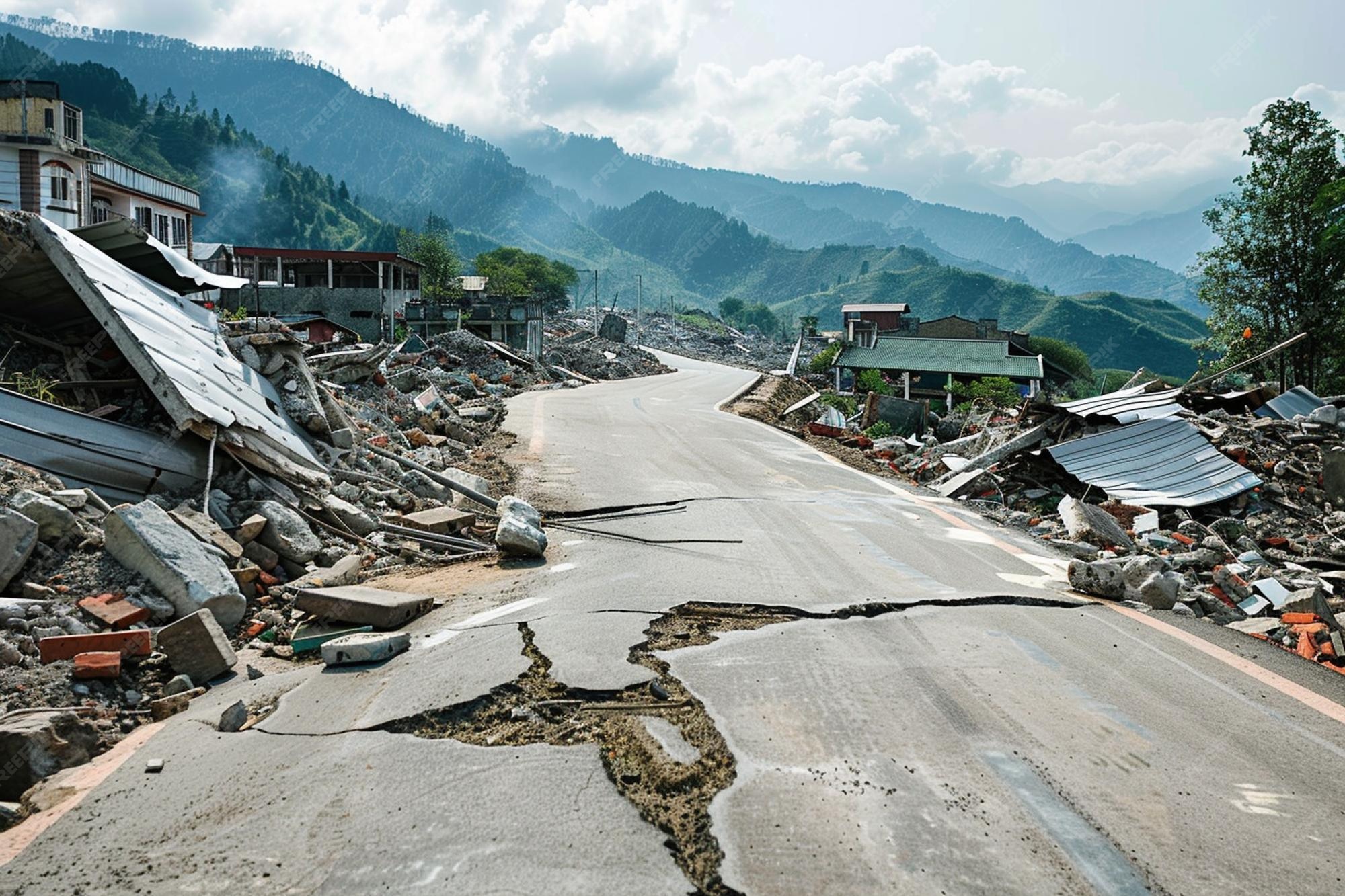
Earthquake insurance is a specialized policy designed to protect homeowners and renters against the financial impact of earthquake damage. This blog post explores the importance of earthquake insurance for property owners and tenants outlining key aspects like the types of coverage available. It clarifies that standard renters insurance typically does not include protection against earthquake damage, highlighting the need for separate policies. The article also breaks down the costs associated with earthquake insurance and the various factors that influence rates such as location and home value. Additionally, it distinguishes between the insurance needs of homeowners and renters ultimately addressing the critical question of whether earthquake insurance is worth the investment. This comprehensive guide ensures readers understand the necessity of earthquake insurance in safeguarding their properties against unforeseen seismic events.
What Is Earthquake Insurance?
Earthquake insurance is a specialized type of coverage designed to protect homeowners and renters against damages and losses resulting from seismic activity. Unlike standard homeowners or renters insurance, which typically does not cover earthquake damage, this insurance specifically addresses the unique risks associated with earthquakes. By obtaining earthquake insurance, policyholders can receive financial assistance for repairs to their homes replacement of personal property, and even additional living expenses incurred while their residence is being restored.
Understanding the nuances of earthquake insurance coverage is essential for anyone living in an area prone to seismic activity. Common elements of a typical policy may include coverage for structural damage to the dwelling, personal property losses and in some cases coverage for detached structures such as garages or sheds. To give you a better idea of what to expect, here is a list of key components to look for when evaluating an earthquake insurance policy:
- Dwelling coverage for the structural integrity of the home
- Personal property coverage for belongings inside the home
- Additional living expenses for temporary housing
- Coverage for detached structures like fences or sheds
- Deductibles specific to earthquake damage
- Optional coverage for improvements made to the home
- Policy limits based on the market value of the home
Understanding these key components is crucial for ensuring you are adequately protected in the event of an earthquake.
Why Earthquake Insurance Matters for Homeowners and Renters
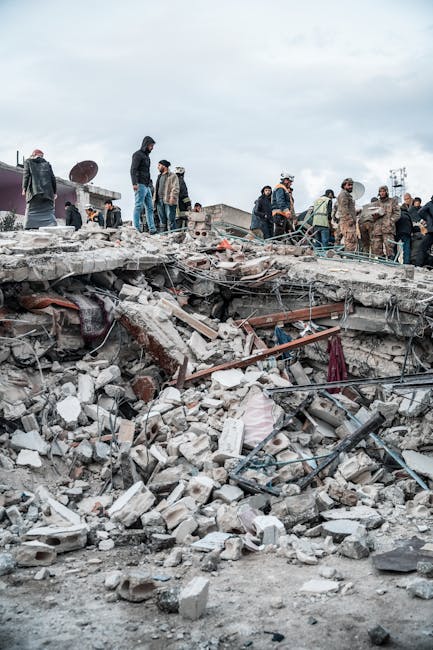
For homeowners and renters alike, understanding the importance of earthquake insurance is crucial in today’s unpredictable climate. Earthquakes can occur at any time, often with little to no warning, leading to devastating damage to property and personal belongings. Unlike standard homeowners or renters insurance, which often excludes coverage for earthquake damage, having a dedicated earthquake insurance policy ensures that you are financially protected when disaster strikes. This specialized insurance offers a safety net that can help you recover and rebuild.
Many people may wonder, does renters insurance cover earthquakes? In most cases standard renters insurance does not include coverage for earthquake damage. This makes it vital for renters especially in seismic zones to consider acquiring separate earthquake insurance. Policies can vary widely, but many offer coverage for personal property loss as well as potential living expenses if the unit becomes uninhabitable due to an earthquake. This added layer of protection helps renters mitigate the financial risk associated with such natural disasters.
Key Reasons to Consider Earthquake Insurance
- Protection of Property: Safeguards your home and belongings from earthquake-related damages.
- Financial Security: Reduces potential out-of-pocket expenses for repairs and rebuilding.
- Peace of Mind: Provides reassurance that you are prepared for unexpected disasters.
- Rental Coverage: Helps cover personal items in rental properties a crucial benefit for renters.
- Additional Living Expenses: Offers funds for temporary housing if your home becomes unlivable.
- Improved Access to Resources: Some policies may assist in access to local emergency services and rebuilding resources.
Ultimately, investing in earthquake insurance is about protecting what matters most—your home, possessions and peace of mind.
In conclusion, the importance of earthquake insurance cannot be understated, regardless of whether you own or rent your home. As your financial situation may depend on the strength of your insurance coverage when the ground shakes exploring your options and understanding what each policy entails is essential. By securing the right coverage, you are taking a proactive step towards safeguarding your financial future in the face of natural disasters.
Earthquake Insurance Coverage Explained
Having a clear understanding of earthquake insurance coverage is crucial for homeowners and renters in seismic zones. It generally does not come standard with typical homeowners’ or renters’ insurance policies. Instead, it is an additional policy that specifically covers damages resulting from an earthquake. Earthquake insurance primarily focuses on structural damage to the property, as well as personal belongings that may be destroyed during such natural disasters. Knowing the specifics can help policyholders evaluate their options and choose the right coverage for their needs.
To better comprehend what this type of insurance entails it is important to examine the different options available. Most policies include both coverage for the physical structure of the home and personal property, but there can be variances based on the insurance provider. Below is a table that outlines the various aspects of standard earthquake insurance policies:
| Coverage Type | Description | Limitations |
|---|---|---|
| Dwelling Coverage | Covers damage to the structure of your home | May have a deductible based on dwelling value |
| Personal Property Coverage | Covers damages to personal belongings | May exclude certain high-value items |
| Loss of Use | Covers additional living expenses if the home is uninhabitable | Limited duration for coverage |
| Other Structures | Covers detached structures like garages | Generally a percentage of dwelling coverage |
When considering the extent of earthquake insurance coverage, potential policyholders should also factor in additional options that can be beneficial. These options can enhance a basic policy and provide extra peace of mind during significant seismic events. Policies may offer various types of riders or endorsements that allow you to customize coverage based on your needs.
Types of Coverage Offered
- Dwelling Coverage
- Personal Property Coverage
- Additional Living Expenses
- Other Structures Coverage
- Ground Movement Coverage
- Loss Assessment Coverage
- Building Code Upgrade Coverage
Understanding Basic Coverage
It is essential to distinguish between the fundamental elements of earthquake insurance to make an informed decision. Basic coverage typically includes protection for the dwelling itself, personal property, and loss of use expenses. However, note that deductibles for earthquake insurance can be substantially higher than those for standard home insurance policies. It’s important to assess your provider’s terms carefully and make sure that they offer sufficient coverage without being overly restrictive on limits.
Additional Options
Besides standard coverage, many providers offer additional options that can be considered to enhance your policy. These might include coverage for upgrades needed to meet building codes after an earthquake or specialized protection for high-value possessions. Choosing the right mix of coverage is crucial for safeguarding your investment in the event of an earthquake, as natural disasters can be unpredictable and devastating.
Does Renters Insurance Cover Earthquakes?
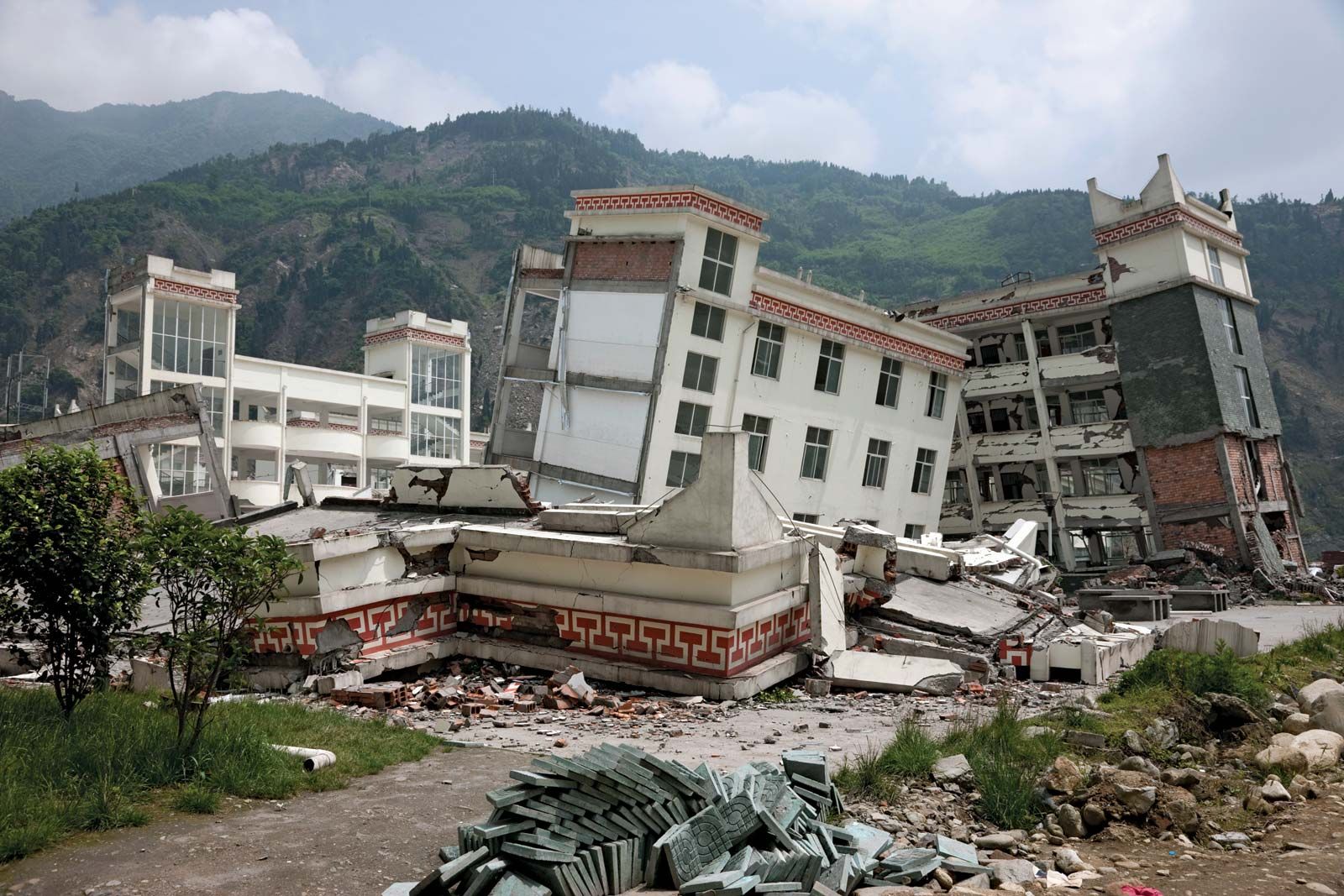
When considering whether renters insurance includes protection against seismic events it is crucial to understand that standard renters insurance typically does not cover earthquakes. Most policies focus on protecting personal property from risks like theft, fire, and water damage, but seismic events require a separate type of coverage. For renters who reside in earthquake prone regions obtaining specific earthquake insurance is often a necessary step to safeguard against potential damages.
Things Renters Should Know
- Most standard renters insurance policies do not cover earthquake damage.
- Earthquake insurance can be purchased separately to provide added protection.
- Coverage often includes damage to personal belongings and sometimes additional living expenses.
- Policies vary greatly, so it’s essential to read the fine print.
- Some states offer government-sponsored earthquake insurance programs.
- Earthquake insurance premiums can vary based on location, home structure, and coverage limits.
It is also essential for renters to consult with their insurance agent to explore options and determine the best course of action for their unique situation. This could involve comparing different seismic insurance policies to find coverage that aligns with their needs and budget. By understanding earthquake insurance, renters can make informed decisions that protect their assets in case of a natural disaster.
How Much Does Earthquake Insurance Cost?
The earthquake insurance cost can vary significantly based on a variety of factors including location, coverage options and the specific risks associated with your property. Generally, homeowners may expect to pay anywhere from a few hundred to several thousand dollars annually for an earthquake insurance policy. While these figures might seem high, it’s essential to consider the potential financial loss in case of a significant earthquake, which can far exceed the cost of the insurance itself.
| Region | Average Annual Premium | Deductible Range |
|---|---|---|
| California | $800 – $2,000 | 10% – 20% |
| Pacific Northwest | $500 – $1,500 | 10% – 15% |
| Central U.S. | $200 – $800 | 5% – 10% |
It’s essential to understand how much is earthquake insurance and the factors that influence these costs. Regular home insurance policies typically do not cover earthquakes making it necessary for homeowners and renters in at-risk areas to seek additional coverage. The premiums depend largely on the property’s distance from seismic activity zones and the materials used in construction. Moreover, the structure’s age and overall risk assessment will also play a critical role in determining rates.
Factors Affecting Insurance Costs
- Location of the property
- Type of construction materials
- Geological assessments of the area
- Age of the home
- Coverage limits and deductible choices
- Claims history in the area
- Market competition and insurer rates
Ultimately, understanding the earthquake insurance cost involves analyzing your unique circumstances and the associated risks of your neighborhood. By comparing various policies and working with knowledgeable insurance agents homeowners and renters can make informed choices that adequately protect their property against potential seismic devastation.
Factors That Influence Earthquake Insurance Rates
Understanding the factors that influence earthquake insurance rates is crucial for homeowners and renters alike. Earthquake insurance is not a one-size-fits-all product, and various elements can impact the costs associated with obtaining coverage. Responsibly assessing these factors will provide homeowners the necessary insights to make informed decisions about their earthquake insurance for homeowners and ensure adequate protection against potential financial loss due to seismic events.
The first and foremost influencing factor is the geographic location. Areas more susceptible to seismic activity often face higher rates due to the increased likelihood of earthquakes. Insurers generally evaluate historical earthquake data and fault lines to assess risk levels. Furthermore, local building codes and community preparedness also play a significant role in determining the overall risk, which, in turn, impacts the insurance premiums. Understanding the seismic risk specific to your area can help contextualize your insurance costs effectively.
| Location Type | Risk Level | Average Premium ($) |
|---|---|---|
| High Seismic Zone | High | 1,200 |
| Moderate Seismic Zone | Moderate | 800 |
| Low Seismic Zone | Low | 400 |
| Non-Seismic Zone | Minimal | 200 |
Another important aspect affecting earthquake insurance rates is the type of property being insured. Different structures such as single-family homes multi-family buildings or commercial properties may be evaluated differently based on their construction materials and foundational designs. For example, *older homes* that don’t adhere to modern building codes may attract higher premiums due to their vulnerability during seismic events. On the other hand, newer builds constructed with advanced engineering standards could benefit from lower rates.
Key Influencing Factors
- Geographic location: Areas prone to earthquakes generally face higher rates.
- Property type: Different building materials and designs affect risk assessments.
- Construction age: Older structures may require higher premiums due to outdated building practices.
- Deductibles: Higher deductibles can lead to lower premiums.
- Coverage limits: Higher coverage amounts may increase the overall cost.
- Claims history: A history of claims may result in increased rates.
- Community preparedness: Areas with robust safety measures may see reduced rates.
In conclusion, understanding how geographic considerations and the property type affect earthquake insurance rates is essential for homeowners. This knowledge can empower individuals to negotiate better terms and select adequate coverage for their unique needs. As the risks associated with earthquakes can vary significantly, closely examining these factors allows homeowners to make informed decisions regarding their earthquake insurance policy.
Earthquake Insurance for Homeowners vs Renters
Understanding the differences in earthquake insurance for homeowners and renters is crucial for adequately protecting your property. Homeowners typically purchase earthquake insurance as an endorsement to their existing homeowners policy. This coverage specifically addresses damage that can arise from seismic activity, ensuring homeowners are financially safeguarded against such events. On the other hand, renters must recognize that standard renters insurance does not cover earthquakes leading to the necessity of dedicated earthquake insurance. This distinction is vital because the potential financial impact of an earthquake can be significant, regardless of property ownership.
To help homeowners and renters evaluate their needs better, consider the following table that illustrates the key differences in coverage options and requirements for earthquake insurance:
| Coverage Type | Homeowners | Renters |
|---|---|---|
| Property Damage | Typically covered under homeowner’s policy with endorsement | Requires separate earthquake insurance |
| Personal Property | Covered as part of the policy | Required under separate renters insurance |
| Loss of Use | Received if property is uninhabitable | Available under earthquake renters insurance |
| Insurance Cost | Varies based on property value | Typically lower premiums but limited coverage |
When considering earthquake insurance for homeowners, it’s essential to evaluate the extent of the potential risks and financial repercussions of earthquake damage to the home. Homeowners often rely on this insurance to help cover repairs rebuilding, or replacing personal property. Renters on the other hand, must specifically look into additional policies that cover their belongings and any necessary financial support to find temporary housing after an earthquake. These factors make it imperative for both parties to conduct thorough research and assess their unique coverage requirements.
Comparative Features
- Homeowners can add earthquake coverage to existing insurance.
- Renters require separate policies to protect personal belongings.
- Homeowners insurance typically covers structural damage.
- Renters insurance often has limited options for earthquake coverage.
- Premium costs may vary significantly between homeowners and renters.
- Homeowners may have higher claims limits due to property value.
- Both groups should assess local seismic risk for policy purchase.
In summary, while both homeowners and renters face the potential threat of earthquake damage, the approach to securing earthquake insurance differs significantly. Homeowners can fortify their existing policies whereas renters need to navigate their options for additional coverage. Ultimately, understanding these differences can pave the way for informed decisions about protecting essential assets from the unpredictable nature of earthquakes.
Is Earthquake Insurance Worth It?
Deciding whether earthquake insurance is worth the investment largely depends on individual circumstances and geographic location. For homeowners and renters in high risk areas the potential costs of repair and recovery following a significant earthquake can be exorbitant. Without adequate coverage, these costs could lead to financial strain or even bankruptcy. Earthquake insurance provides a safety net that can protect you from these unforeseen expenses allowing you to rebuild your life and home after a disaster.
Considerations for Decision Making
- Assess your risk exposure based on your location.
- Evaluate your existing home insurance policy for earthquake exclusions.
- Calculate potential costs of recovery and repairs after an earthquake.
- Compare earthquake insurance costs from various providers.
- Consider the value of your assets that could be affected.
- Review the terms and conditions of the policy, including deductibles.
- Consult with insurance professionals for tailored advice.
Ultimately, weighing the risks against the costs of coverage will help you make an informed choice. If you live in an area prone to seismic activity, investing in earthquake insurance could save you thousands in potential damages. While the upfront costs may seem daunting, the peace of mind that comes with knowing you’re prepared for a natural disaster can be invaluable.
For a more detailed overview, you can also check out our article on Types of Car Insurance: Complete Guide to Coverage, Requirements, and Options.