Restaurant insurance is a critical protection strategy for food service businesses covering potential risks and liabilities unique to the industry. This comprehensive guide explores essential coverage types that safeguard restaurant owners from financial losses due to property damage, equipment breakdown, employee injuries and customer-related incidents. Restaurant insurance typically includes general liability, property, workers’ compensation, and specialized policies tailored to specific food service needs. Costs vary depending on factors like restaurant size, location, menu complexity, and claims history. Business owners must understand their specific insurance requirements to ensure adequate protection against potential lawsuits accidents and unexpected events. By carefully evaluating different restaurant insurance options and working with knowledgeable insurance providers restaurateurs can develop a robust risk management strategy that protects their investment and provides peace of mind in an inherently unpredictable industry.
What is Restaurant Insurance
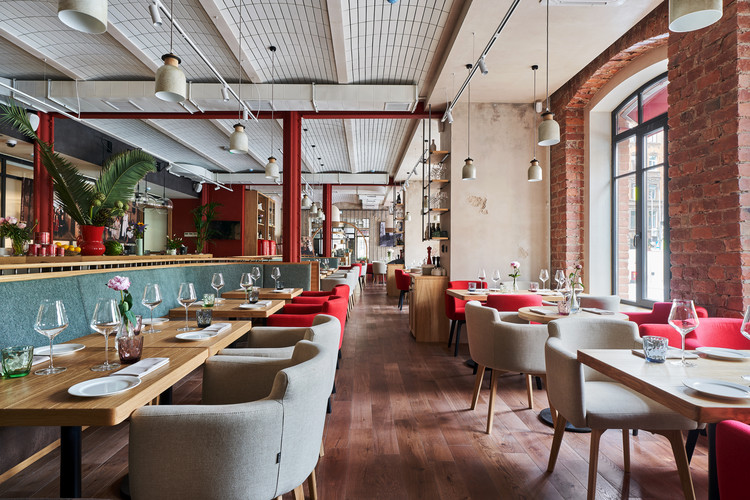
Restaurant insurance is a specialized type of business protection designed specifically for food service establishments. This comprehensive coverage helps restaurant owners safeguard their business against potential financial risks unexpected incidents and potential legal challenges that can arise in the dynamic food service industry.
Key Aspects of Restaurant Insurance
- Property damage protection for restaurant buildings and equipment
- Liability coverage for customer injuries and potential legal claims
- Employee-related insurance including workers’ compensation
- Business interruption coverage for unexpected closures
- Food contamination and spoilage protection
- Liquor liability insurance for establishments serving alcohol
- Commercial auto insurance for delivery vehicles
Restaurant business insurance is not just a recommended option, but a critical financial safety net for food service entrepreneurs. By investing in comprehensive restaurant insurance coverage, business owners can protect their investment, mitigate potential financial losses and ensure their establishment can quickly recover from unexpected challenges.
Learn about essential coverage options for markets in our detailed guide on Grocery Store Insurance.
Restaurant Insurance Coverage Types
Restaurant owners face numerous risks daily, making comprehensive insurance coverage crucial for protecting their business investments. Understanding the various types of restaurant insurance helps mitigate potential financial losses and provides peace of mind in an unpredictable industry.
| Coverage Type | Key Protection | Average Cost Range |
|---|---|---|
| General Liability | Customer injuries property damage | $500-$1,500/year |
| Property Insurance | Building, equipment, inventory | $1,000-$3,000/year |
| Workers’ Compensation | Employee injuries medical expenses | $2,000-$5,000/year |
| Business Interruption | Lost income during unexpected closures | $500-$2,000/year |
Restaurant liability insurance plays a critical role in protecting businesses from potential legal and financial challenges. Comprehensive coverage ensures that unexpected incidents do not devastate your restaurant’s financial stability. From customer accidents to equipment breakdowns the right insurance can make a significant difference in your business’s long-term success.
Types of Coverage
- General Liability Insurance
- Property Insurance
- Workers’ Compensation Insurance
- Business Interruption Insurance
- Equipment Breakdown Coverage
- Liquor Liability Insurance
- Cyber Liability Insurance
General Liability Insurance
Food service insurance typically includes general liability coverage, which protects restaurants from third-party claims involving bodily injury or property damage. This essential insurance helps cover legal fees medical expenses and potential settlement costs that could arise from accidents occurring on your restaurant premises.
Property Insurance
Property insurance safeguards your restaurant’s physical assets including buildings kitchen equipment, furniture, and inventory. This coverage is crucial for protecting your business against potential losses from fire, theft, vandalism, or natural disasters. Investing in comprehensive property insurance ensures that your restaurant can quickly recover and resume operations after unexpected events.
Restaurant Insurance Cost Factors
Understanding the various factors that influence restaurant insurance cost is crucial for business owners seeking comprehensive financial protection. Restaurant insurance premiums are determined by multiple complex variables that insurers carefully evaluate when calculating risk and potential liability. These factors range from the physical characteristics of the establishment to its operational practices and specific industry risks.
| Risk Factor | Impact on Premium | Average Cost Range |
|---|---|---|
| Restaurant Size | Direct correlation | $1,500 – $5,000 |
| Annual Revenue | Higher revenue = higher risk | $2,000 – $7,500 |
| Location | Regional risk assessment | $1,200 – $4,500 |
| Claims History | Previous incidents impact rates | $500 – $3,000 variance |
Factors Affecting Cost
- Restaurant square footage and physical location
- Number of employees and payroll size
- Type of cuisine and cooking methods
- Alcohol service and potential liability risks
- Equipment value and replacement costs
- Historical claims and risk management practices
- Local regulatory compliance requirements
Restaurant liability insurance plays a critical role in managing financial risks associated with potential accidents property damage, or legal claims. Insurers meticulously analyze these cost factors to provide tailored coverage that protects restaurant owners from unexpected financial burdens. Comprehensive risk assessment is the key to obtaining appropriate and cost-effective restaurant insurance.
For more information on coverage designed for food businesses, visit Liberty Mutual’s restaurant insurance page.
Restaurant Liability Insurance Requirements

Restaurant liability insurance is a critical component of protecting your food service business from potential financial risks. This specialized form of restaurant business insurance provides comprehensive coverage against various legal and financial challenges that can arise in the dynamic food service industry. Understanding the specific requirements and nuances of liability protection is essential for restaurant owners to safeguard their investments and operations.
Steps to Ensure Compliance
- Conduct a comprehensive risk assessment of your restaurant’s potential liability exposures
- Verify minimum coverage requirements specific to your state and local regulations
- Obtain general liability insurance with adequate policy limits
- Include additional coverage for product liability and liquor liability
- Review and update insurance policies annually
- Maintain detailed documentation of safety protocols and risk management practices
- Consult with an insurance professional specializing in restaurant insurance
The legal landscape for restaurant liability insurance can be complex, requiring strategic planning and proactive risk management. Restaurants must not only comply with standard insurance requirements but also anticipate potential scenarios that could lead to financial vulnerability. Proper insurance coverage is not just a legal obligation, but a fundamental strategy for business sustainability and protection. By understanding and implementing comprehensive liability insurance, restaurant owners can mitigate potential financial risks and focus on delivering exceptional dining experiences.
Food Service Insurance Options
Restaurant owners must carefully evaluate their food service insurance options to protect their business from potential financial risks. Understanding the various insurance products available can help restaurateurs create a comprehensive risk management strategy that safeguards their investment, employees and overall business operations.
| Insurance Type | Coverage Scope | Typical Cost Range |
|---|---|---|
| General Liability | Customer injuries property damage | $500-$3,000/year |
| Property Insurance | Building, equipment, inventory | $1,000-$5,000/year |
| Workers’ Compensation | Employee injuries medical expenses | $2,000-$6,000/year |
| Business Interruption | Lost income during unexpected closures | $500-$2,500/year |
Popular Food Service Insurance Options
- General Liability Insurance
- Commercial Property Insurance
- Workers’ Compensation Insurance
- Business Interruption Insurance
- Professional Liability Insurance
- Liquor Liability Insurance
- Cyber Liability Insurance
Restaurant insurance coverage requires a strategic approach that considers the unique risks of the food service industry. Different types of restaurants from small cafes to large dining establishments will have varying insurance needs based on their specific operational characteristics location, and potential liability exposures.
Selecting the right food service insurance is not just about compliance, but about creating a financial safety net that allows restaurant owners to focus on their core business without constant worry about potential risks. By working with experienced insurance professionals who understand the nuanced requirements of the restaurant industry, owners can develop a tailored insurance portfolio that provides comprehensive protection and peace of mind.
How to Choose Restaurant Insurance
Selecting the right restaurant insurance requires careful consideration of your specific business needs and potential risks. Restaurant insurance coverage is not a one-size-fits-all solution, and restaurant owners must evaluate their unique operational requirements to ensure comprehensive protection. Understanding the nuanced aspects of insurance will help you make an informed decision that safeguards your business from potential financial vulnerabilities.
Guidelines for Selecting Insurance
- Assess your restaurant’s specific risk profile and operational characteristics
- Compare multiple insurance providers specializing in food service businesses
- Evaluate comprehensive coverage options beyond basic liability protection
- Consider your restaurant’s size, location, and specific service model
- Review policy limits and potential exclusions carefully
- Consult with an insurance professional experienced in restaurant industry coverage
- Budget for restaurant insurance cost as a critical business expense
Choosing the right insurance is not just about protection, but about ensuring your restaurant’s long-term financial stability and risk management. Comprehensive insurance strategies go beyond basic coverage, incorporating tailored solutions that address potential challenges specific to food service establishments. By methodically analyzing your insurance needs you can create a robust protection plan that supports your restaurant’s growth and mitigates potential financial risks.