
Aviation insurance is a specialized form of coverage designed for aircraft owners operators and renters safeguarding against potential losses and liabilities. The blog outlines various types of aviation insurance coverage, including liability, hull, and passenger insurance, offering protection against different risk factors. It explains the functioning of aviation insurance, emphasizing the necessity of assessing specific needs and coverage limits. The cost of aviation insurance varies depending on factors like aircraft type, usage, and owner experience. Moreover, the article provides insights into aviation insurance for renters and private owners highlighting the importance of having adequate protection. For those seeking to purchase aviation insurance, choosing the right insurance company is crucial, involving comparisons of rates coverage options and the company’s reputation. By understanding these essential insights individuals can make informed decisions regarding their aviation insurance needs ensuring comprehensive protection for their aircraft and associated liabilities.
What Is Aviation Insurance?
Aviation insurance is a specialized sector of insurance that provides coverage for aircraft operations and associated risks. It is designed to protect both aircraft owners and operators from potential losses and liabilities. Understanding what is aviation insurance is crucial for anyone involved in the aviation industry, as it encompasses a broad range of coverages tailored specifically for aircraft. Each policy is adapted to meet the specific needs and risks associated with aviation, from commercial airlines to private jets.
Key Aspects of Aviation Insurance:
- Hull Insurance: Covers physical damage to the aircraft itself, whether on the ground or in-flight.
- Liability Coverage: Protects against third-party claims such as bodily injury or property damage caused by the aircraft.
- Passenger Liability: Specific coverage for passengers providing compensation in the event of an injury or fatality.
- Ground Risk Hull Insurance Not in Motion: Covers damages to aircraft while parked.
- In-Flight Insurance: Offers protection while the aircraft is airborne, covering a myriad of potential accidents.
- Product Liability Insurance: Protects manufacturers against claims resulting from defective aircraft parts.
- Hangar Insurance: Covers damages to aircraft when stored in hangars catering to weather-related and other potential hazards.
The need for aviation insurance is driven by the unique risks associated with aviation operations such as mechanical failures weather challenges and potential human errors. Policies are typically customizable, allowing stakeholders to select coverages that best align with their operational needs and risk appetite. A crucial aspect of understanding what is aviation insurance involves evaluating the balance between coverage limits and costs to ensure comprehensive protection without overpaying. Finally, it is often recommended that those seeking aviation insurance consult with specialized brokers who possess a deep understanding of the aviation industry and its intricacies.
Types of Aviation Insurance Coverage
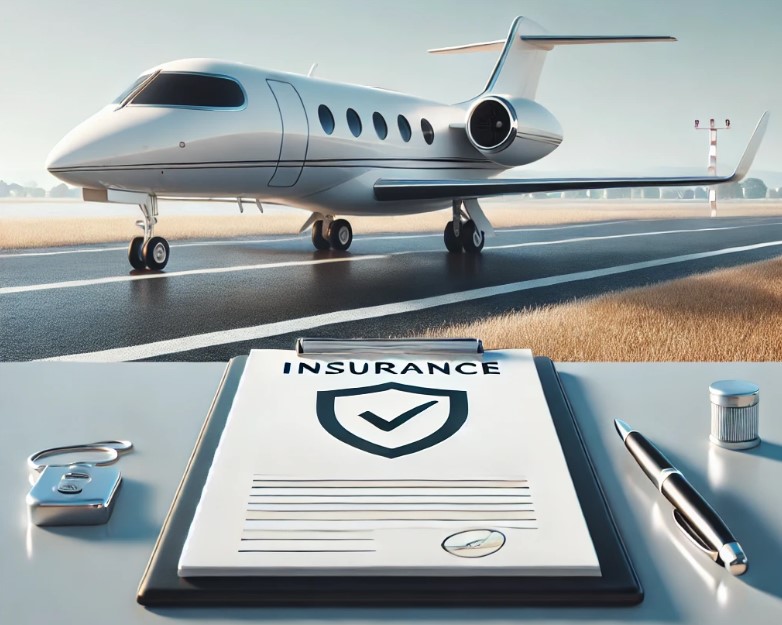
Aviation insurance coverage is an essential component for airline operators private pilots and aerospace manufacturers. It provides protection against the myriad risks associated with aircraft operation. Understanding the different types of aviation insurance coverage is crucial for ensuring optimal protection. This section delves into the various categories each designed to handle specific needs related to aviation operations. By selecting the appropriate coverage, businesses and individuals can safeguard their financial investments against unforeseen liabilities.
Common Types of Aviation Insurance:
- Liability Insurance
- Hull Insurance
- Passenger Insurance
- Ground Risk Insurance
- Hangarkeepers Insurance
- In-flight Insurance
Liability insurance is among the most critical types covering third-party bodily injuries and property damage caused by the aircraft. This insurance coverage is particularly essential for mitigating the financial impact of potential lawsuits, which can arise from accidents during flights. It’s important for aircraft operators to review their liability limits as the costs associated with legal claims can be substantial.
Liability Insurance
Liability Insurance is crucial for any aircraft operator as it provides coverage against claims of bodily injuries and property damage to third parties. This type of insurance is mandatory in most jurisdictions and forms the backbone of aviation insurance coverage. The coverage limits can be adjusted based on the size of the aircraft and the legal requirements of the operating area. A well-structured liability policy ensures that operators remain financially protected in the event of an unforeseen incident involving the aircraft.
| Coverage Type | Protection Area | Cost Impact |
|---|---|---|
| Liability Insurance | Third-party injuries & property damage | Variable, based on risk exposure |
| Hull Insurance | Physical aircraft damage | Moderate to high, depending on aircraft value |
| Passenger Insurance | Passenger injuries and legal obligations | Proportional to passenger capacity |
Another critical type is hull insurance, which specifically covers damage to the aircraft itself. This coverage can be customized to include risks while the aircraft is in motion or stationary. Often regarded as the comprehensive insurance for aircraft, it protects against physical damage arising from accidents weather, or other operational mishaps. Since aircraft are high-value assets having adequate hull insurance is indispensable for minimizing financial loss in case of damage.
Hull Insurance
Hull Insurance, or Aircraft Hull Insurance, offers coverage for damage to the physical aircraft. This can range from minor repairs to complete replacements owing to accidents or disasters. It provides peace of mind for owners knowing their valuable assets are protected against a variety of perils. The coverage can extend to both ground and flight risks allowing operators to tailor policies to best fit their operational profile. It’s advisable for aircraft owners to regularly reassess the value of their aircraft and adjust their hull insurance accordingly to maintain adequate coverage.
Passenger insurance addresses the coverage of legal obligations and potential injuries to passengers on board. It serves an essential role in the overall aviation insurance strategy by ensuring that passengers receive prompt attention and compensation should an incident occur. This type of insurance is invaluable for maintaining a positive reputation and fostering trust among passengers thereby enhancing the operational success of any aviation entity.
Passenger Insurance
Passenger Insurance is designed to cover the legal liabilities and medical expenses associated with passenger injuries sustained during a flight. It is especially crucial for commercial airlines and charter operators where passenger safety is paramount. This form of insurance provides an added layer of protection, ensuring that legal obligations are met without exerting financial pressure on the operator. Offering robust passenger insurance can significantly enhance customer confidence, contributing to the overall success and sustainability of aviation services.
How Does Aviation Insurance Work?
Aviation insurance is an essential aspect of ensuring the protection of aircraft operators and owners from potential liabilities and damages. This specialized type of insurance is tailored to the unique risks associated with aviation, ranging from in-flight accidents to ground damages. Understanding how aviation insurance operates is crucial for anyone involved in the aviation industry. Aviation insurance companies provide policies that typically cover a wide range of scenarios ensuring comprehensive protection. The policies can include coverage for the aircraft hull, liability for passengers and third-party legal liabilities. Each policy is designed to address the specific needs and potential risks faced by different types of aviation operations.
Steps to Understanding Aviation Insurance:
- Identify the type of coverage needed: Hull, liability, passenger, or others.
- Assess the value of the aircraft and associated equipment.
- Evaluate the risks: Consider factors like flight routes and frequency.
- Research aviation insurance companies and compare policies.
- Consult with an aviation insurance expert for personalized advice.
- Review policy terms and conditions carefully before committing.
- Regularly update your coverage to reflect any changes in operations.
Aviation insurance companies assess numerous factors to calculate premiums including the type of aircraft, its usage, pilot experience, and safety records. Maintaining a comprehensive understanding of these factors not only helps in managing costs but also ensures that operators are not left vulnerable to unforeseen events. Expert advice can significantly aid in selecting the right insurance, with brokers often playing a key role in guiding operators through the complexities of aviation insurance policies. It’s important to remember that policies should be regularly reviewed and updated to align with any operational changes or new regulations that might affect coverage needs.
Aviation insurance is not just a policy, it’s peace of mind for every flight taken and every life protected. – Anonymous
Ultimately, aviation insurance acts as a safety net, offering crucial support in the aftermath of an incident or accident. Policies must be tailored to the specific operational needs and risks involved, and it is vital to stay informed about changes in legislation and industry trends that might impact coverage. Whether you’re an individual aircraft owner or part of a larger aviation operation, understanding how these insurance policies function enables better decision-making, ensuring both legal compliance and financial protection. The array of choices provided by aviation insurance companies allows for customization that meets both budgetary constraints and coverage requirements.
How Much Does Aviation Insurance Cost?
The cost of aviation insurance varies significantly depending on several factors. One of the critical influences is the type of aircraft being insured. Generally, larger and more complex aircraft require higher premiums due to their increased value and potential liability. Additionally, the intended use of the aircraft also affects insurance rates. For instance, commercial operations may incur higher costs compared to private use because of the higher risk associated with carrying passengers or cargo regularly.
Factors Influencing Aviation Insurance Cost:
- Type and Value of the Aircraft
- Intended Use (Commercial vs. Private)
- Pilot Experience and Qualifications
- Geographic Location and Operating Environment
- Safety Features and Maintenance Standards
- Claims History and Previous Incidents
- Amount and Type of Coverage Desired
Another determinant of aviation insurance cost is the pilot’s experience and qualifications. Pilots with extensive experience and outstanding safety records typically attract lower premiums. Insurers also evaluate the geographical location where the aircraft operates. Areas with higher risk of natural disasters or stricter regulation may lead to increased costs. Furthermore, the overall safety features and regular maintenance logs of an aircraft contribute to more favorable insurance pricing.
| Aircraft Type | Average Cost (Annual Premium) | Use Type |
|---|---|---|
| Single-engine Piston | $1,200 – $2,500 | Private |
| Twin-engine Turboprop | $5,000 – $10,000 | Private/Commercial |
| Business Jet | $10,000 – $30,000 | Commercial |
| Helicopter | $2,500 – $7,500 | Private/Commercial |
Moreover, aircraft that incorporate advanced safety features and maintain rigorous maintenance standards can help in reducing insurance premiums. High-end avionics anti-collision systems and adherence to regular maintenance schedules are examples of aspects that can lower the cost. Conversely, an aircraft with a history of frequent insurance claims or incidents is likely to see an increase in aviation insurance cost. In conclusion, operators and owners should assess these variables closely to negotiate the best insurance rates tailored to their specific needs.
Aviation Insurance for Renters and Private Owners
Aviation insurance can often seem complex, especially for those renting aircraft or privately owning them. Understanding the nuances of aviation renters insurance as well as the specific needs of private owners can make a significant difference both in coverage and cost. For renters it’s essential to understand that insurance policies provided by rental companies might be insufficient, leading to potential exposure to risks that aren’t immediately apparent. On the other hand, private owners must ensure that their policy covers all operational and non-operational risks. Assessing personal risks understanding policy coverage limits and regularly reviewing policies are crucial steps to ensuring comprehensive protection.
Essential Coverage for Aviation Renters:
- Liability coverage for bodily injury and property damage
- Non-owned hull coverage
- Personal accident coverage
- Legal defense costs
- Temporary substitute aircraft coverage
- Search and rescue cost coverage
- Medical expense coverage
For private aircraft owners having a nuanced and robust aviation insurance policy is indispensable. Policies should cover not only third-party liabilities but also potential damages to the aircraft itself, regardless of who is at fault. A crucial aspect to consider is the geographical limits of the policy, ensuring it includes all intended destinations to avoid costly out-of-pocket expenses. Private owners should also look into additional riders or endorsements that can augment a standard policy, such as coverage for passenger liabilities and hangar damages. “The best aviation insurance policy is one that you never have to use, but glad to have when you need it,” notes an industry expert.
Choosing the Right Aviation Insurance Company
When it comes to selecting the right aviation insurance company, ensuring you have the best coverage at competitive rates is crucial. Choosing the right provider not only offers peace of mind but also safeguards your assets and interests in the aviation industry. It is essential to delve into the options provided by numerous aviation insurance companies to determine which might suit your needs the best. While price is an important consideration, other factors such as coverage limits company reputation, and customer service should also play a critical role in your decision-making process.
Steps to Choose the Best Aviation Insurance Company:
- Identify your specific insurance needs and determine the type of coverage required.
- Research and compare different aviation insurance companies’ offerings.
- Check the financial strength ratings of potential insurers to ensure stability.
- Read customer reviews and testimonials to gauge satisfaction and service quality.
- Consult with an experienced aviation insurance broker for expert advice.
- Consider any additional policy features or benefits that may be advantageous.
- Review policy documents carefully to understand the terms and any exclusions.
Once you’ve narrowed down your options partnering with an aviation insurance company that aligns with your specific requirements becomes manageable. A well-chosen provider can make a significant difference in how claims are managed, ensuring quick resolutions when needed. As the industry landscape continues to evolve, staying informed and routinely assessing your aviation insurance coverage can keep you one step ahead. As quoted by an industry expert, The right insurance coverage is the foundation of safe and worry-free aviation operations. This underscores the importance of making informed decisions in selecting your aviation insurance partner.