
Pet health insurance is an increasingly popular way to protect your furry friends’ well-being and manage unexpected veterinary costs. This blog post delves into the basics of pet health insurance, explaining how these plans function to cover various medical expenses for pets. It outlines common coverage options including accident, illness and wellness care, which are typically part of pet insurance policies. The article highlights the growing popularity of pet health insurance due to rising veterinary costs and the increasing value pet owners place on ensuring their pets’ health. A comparison between dog and cat insurance plans reveals key differences in terms of coverage and costs. To assist pet owners in selecting the best policy, the blog provides practical tips such as evaluating coverage details considering policy limits and reviewing provider reputations. By understanding these elements pet owners can make informed decisions about the right pet health insurance for their animal companions.
What Is Pet Health Insurance and How Does It Work?
Pet health insurance is designed to assist pet owners in managing the often-expensive costs associated with veterinary care. Just like human health insurance, it covers a variety of medical expenses helping pet owners afford the necessary treatment for their furry family members without unexpected financial strain. Understanding the terms and conditions is crucial, as policies can vary significantly between providers. Most plans cover accidents and illnesses but additional coverage or specialized plans may be available for routine care.
Key Components of Pet Health Insurance
- Accident Coverage: Covers injuries resulting from unforeseen accidents.
- Illness Coverage: Includes ailments ranging from minor infections to severe diseases.
- Wellness Coverage: Offers preventive care like vaccinations though this comes with additional cost.
- Deductibles: Amounts you pay out-of-pocket before insurance kicks in, which can impact the overall cost.
- Reimbursement Levels: Percentage of veterinary bills the insurer will cover after satisfying the deductible.
- Annual Limits: Maximum amount an insurer will pay in a year, which can affect coverage choice.
- Waiting Periods: Timeframe you need to wait before certain coverages begin, which varies with different policies.
The process of obtaining pet health insurance involves researching and comparing various plans to find one that fits both your budget and your pet’s needs. It’s important to recognize that affordable pet insurance doesn’t necessarily mean the lowest premium but rather value for money considering coverage benefits. Once a policy is in place, claims are made by submitting veterinary invoices to the insurer for reimbursement. As a pet owner, ensuring your pet has proper coverage means that when healthcare incidents arise, you can focus on care rather than costs. Making informed decisions about pet health insurance allows pet owners to provide optimal care for their pets ensuring a happy and healthy life together.
Common Coverage Options in Pet Insurance Policies
Pet health insurance is an essential consideration for pet owners who wish to safeguard against unexpected medical expenses. While most policies offer a range of options understanding common coverage features is crucial in making an informed choice. Coverage may differ significantly based on the insurance provider, but generally, policies encompass a variety of services tailored to maintain the health of your furry friends. Whether you’re looking at cat health insurance or dog health insurance, understanding these options ensures you select a plan that fits your specific needs.
Typical Coverage Options
- Accident and Injury Coverage
- Illness Coverage
- Preventive Care Coverage
- Chronic Conditions Coverage
- Prescription Medication
- Alternative Therapies
- Behavioral Treatment
It’s important to note that while many insurers provide some level of coverage for these common areas specific limits and exclusions often apply. For instance, some insurers may not cover pre-existing conditions or may have specific waiting periods before certain coverages become effective. Additionally, reimbursement levels and deductibles can vary, significantly influencing the overall cost of claims. Here’s a table highlighting typical aspects included in pet insurance plans:
| Coverage Type | What’s Included | Potential Limitations |
|---|---|---|
| Accident and Injury | Emergency care, surgeries | Excludes pre-existing injuries |
| Illness | Vet visits diagnostic tests | Chronic conditions may be excluded |
| Preventive Care | Vaccinations check-ups | Typically an add-on |
| Alternative Treatments | Acupuncture, chiropractic | Limited to specified therapies |
Preventive Care
Preventive care is a pivotal aspect of pet health insurance that is designed to reduce overall medical costs by avoiding serious health issues before they arise. Policies that include preventive care may cover vaccinations routine check-ups dental cleanings and parasite prevention. Investing in preventive care not only promotes your pet’s long-term well-being but also helps avoid the more significant expense of treating advanced health problems.
Emergency Services
Emergency services coverage is critical for pet owners who want peace of mind in unforeseen situations. This feature generally covers urgent veterinary care required due to sudden illnesses or accidents. In emergency situations like severe injuries or life-threatening conditions having this coverage ensures prompt and necessary treatment without the burden of substantial out-of-pocket expenses. Whether you have cat health insurance or dog health insurance, emergency services are vital components of a comprehensive plan.
Why Pet Health Insurance Is Becoming More Popular
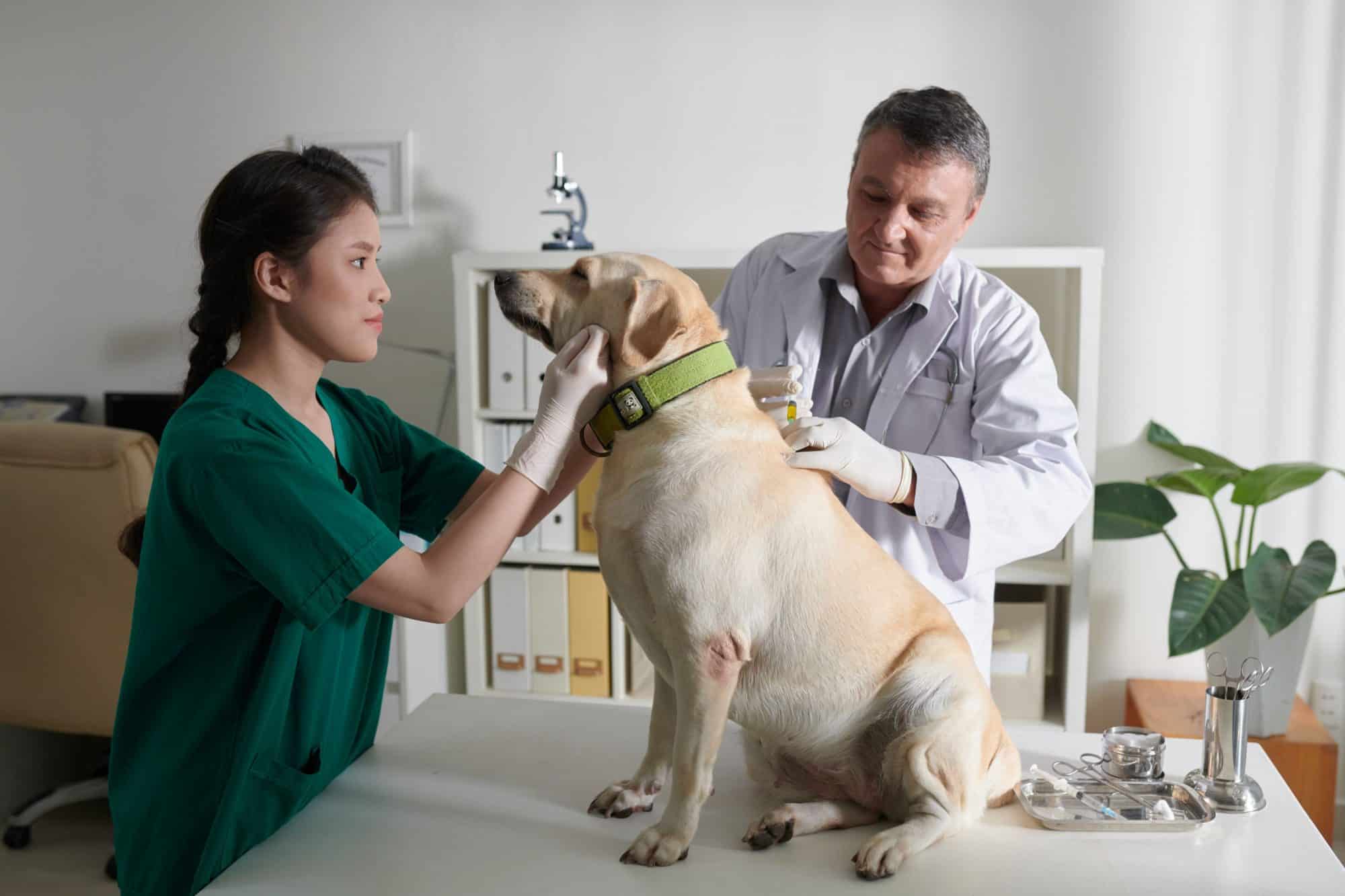
In recent years pet health insurance has seen a significant surge in interest among pet owners. This rise in popularity can be attributed to several factors most notably the increase in awareness of the potential financial burden associated with pet healthcare. Many pet owners now recognize that unexpected illnesses or accidents can result in substantial veterinary bills. By investing in the best pet health insurance plans, pet owners can ensure they are financially prepared for these unforeseen circumstances. This shift in mindset has made pet health insurance a valuable asset for safeguarding the well-being of beloved animals.
Reasons for Growing Popularity
- Increased awareness of pet health and preventative care
- Rising costs associated with advanced veterinary treatments
- Greater availability of diverse insurance plans tailored to various needs
- Enhanced protection against unexpected financial burdens
- Peace of mind knowing that pets can receive the best possible care
- Robust coverage options catering to specific pet conditions
- Discounts offered by some plans for multi-pet households
Rising Veterinary Costs
The continuous advancement in veterinary medicine has improved the quality and scope of care accessible to pets today. However, with these advancements come increasing costs. Advanced diagnostic techniques surgical procedures and specialized treatments can be expensive, prompting many to consider pet health insurance as a strategic financial safeguard. By opting for coverage, pet owners can mitigate these rising costs ensuring that their pets receive the necessary medical attention without the strain on household finances. This proactive approach allows pet owners to benefit from cutting-edge treatments without hesitation, thereby contributing to the growing trend of securing pet health insurance.
Comparing Dog vs Cat Health Insurance Plans
Understanding the nuances between dog and cat health insurance plans is crucial for any pet owner aiming to make an informed decision. While both types of insurance aim to cover unexpected vet costs they are not identical. Each plan offers different levels of coverage and benefits tailored to the specific needs of dogs and cats. A keen look at these differences can help save on costs while ensuring optimal care for your furry friend.
Cost Comparison
One of the primary considerations when selecting pet health insurance is the cost. Dog health insurance often tends to be more expensive than cat health insurance. This is due to factors such as larger body size and a propensity for certain breed-specific health issues in dogs. It’s essential to compare different plans and understand how premium costs fit into your budget. A study found that on average, dog insurance can be 60% more costly than policies for cats.
Average Monthly Premiums for Pet Insurance
| Pet Type | Basic Coverage | Comprehensive Coverage |
|---|---|---|
| Dog | $25-$50 | $55-$100 |
| Cat | $15-$25 | $30-$60 |
| Mixed Breed Dog | $28-$45 | $50-$90 |
| Purebred Cat | $16-$30 | $35-$70 |
Coverage Differences
Coverage details between dog and cat health insurance plans can differ significantly. Plans for dogs often have add-ons for breed-specific conditions such as hip dysplasia, that might not be necessary for cats. On the other hand, cat health insurance plans may focus more on illnesses like urinary tract infections common in feline pets. When selecting a plan, ensure it covers the most likely health issues your pet might face, and consider the terms of coverage, such as caps on annual limits and deductibles.
Key Differences Between Plans
- Costs generally higher for dogs compared to cats.
- Breed-specific conditions covered often more crucial for dogs.
- Routine care add-ons might be more prevalent in cat insurance.
- Annual coverage limits differ between plans.
- Comprehensive plans might offer rehabilitation benefits for dogs.
- Vet visit frequency and cost consideration varies by species.
- Some plans provide dental care, typically more important for dogs.
Ultimately, it’s important to assess individual pet needs when comparing dog vs cat health insurance plans. Selecting an insurance policy that aligns with specific health risks can make a significant difference in ensuring both financial savings and the well-being of your pet. A meticulous approach towards understanding what different insurers offer can help you pinpoint the best policy tailored for your pet. Choosing the right plan safeguards better health for your pet and peace of mind for you.
Tips for Choosing the Best Pet Health Insurance
When looking for the right pet health insurance, it’s essential to consider your specific needs and those of your pet. One crucial factor to weigh is the policy’s coverage options. Just as you would for dog health insurance, ensure the plan includes essential coverages such as accidents illnesses and preventive care. Remember, choosing a plan that covers breed-specific issues and common ailments is important, as these can lead to significant veterinary expenses in the long run.
Steps for Selecting Your Plan
- Assess Your Pet’s Health Needs: Understand any pre-existing conditions or common breed-related issues.
- Research Different Providers: Compare pet health insurance companies for rates coverage options and customer reviews.
- Check for Exclusions: Carefully read the policy to identify any exclusions that might affect the coverage you expect.
- Understand the Reimbursement Process: Determine whether the policy reimburses based on actual vet bills or a pre-set benefit schedule.
- Evaluate Deductibles and Premiums: Balance between a higher deductible with lower premiums or vice versa to suit your budget.
- Consider Additional Benefits: Some plans offer added perks like wellness programs or discounts for multiple pets.
- Seek Recommendations: Consult with your veterinarian for guidance on suitable policies for your pet’s health conditions.
Another critical consideration is the reputation of the insurance provider. It’s wise to choose a company known for its reliability and excellent customer service. Customer reviews and testimonials can provide valuable insights into how claims are processed and the ease of communication with the insurer. As the pet insurance market expands policies can vary greatly, and a well-regarded provider is more likely to offer transparency and trustworthiness. “Choosing reliable pet health insurance can offer peace of mind, knowing your furry friend is covered in times of need.” This assurance makes all the difference when unexpected medical situations arise, enabling you to focus on your pet’s well-being rather than worrying about costs.