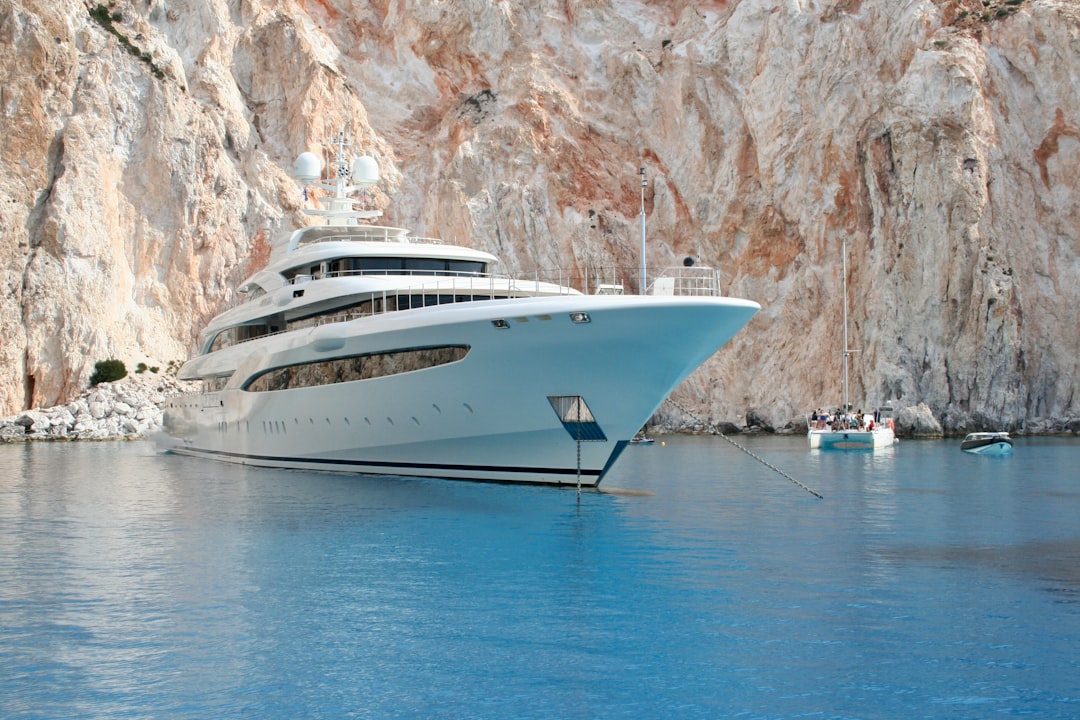
Yacht insurance is crucial for owners to protect their vessels from various risks. It covers damages resulting from accidents natural disasters theft, and more. Cost-wise, yacht insurance varies based on factors like the yacht’s value, size, use, and owner experience. Generally, insurance for yachts is more complex and expensive than standard boat insurance, due to the larger size and value of yachts. Premiums are influenced by the yacht’s build, age, and cruising range, amongst other factors. When selecting a yacht insurance company, it’s important to choose one that offers comprehensive coverage tailored to your specific needs. Understanding the distinct features and costs associated with yacht insurance helps owners make informed decisions about the best policy for their valuable asset.
What Is Yacht Insurance?
Yacht insurance, a specialized form of marine insurance, is designed to protect yacht owners from financial losses associated with damage to or loss of a yacht. Unlike standard boat insurance, yacht insurance encompasses larger and often higher-value vessels providing broader and more comprehensive coverage. This type of insurance is pivotal for safeguarding your investment against unexpected incidents on both sea and land.
The importance of insurance for yachts cannot be overstated. To understand the extent of coverage provided, here are some key components typically included in yacht insurance policies:
- Hull Insurance: Covers physical damage to the yacht itself
- Liability Coverage: Protects against legal liabilities to third parties
- Personal Property Coverage: Insures onboard items against damage or theft
- Medical Payments: Covers medical expenses for injuries occurring on the yacht
- Emergency Assistance: Provides financial coverage for towing and urgent repairs
- Uninsured Boater Coverage: Protects against damage caused by uninsured or underinsured boaters
- Environmental Damage Coverage: Addresses costs related to pollution cleanup
Owners should meticulously assess their coverage options when choosing yacht insurance to ensure it meets the unique needs of their vessel and their own legal risks. Equipping your yacht with the right insurance is like setting a skilled captain at the helm in stormy seas. It’s essential for peace of mind on every voyage, whether short jaunts or expansive ocean crossings.
What Does Yacht Insurance Cover?
Understanding the scope of your yacht insurance is crucial in ensuring you are adequately protected while enjoying the open seas. Yacht insurance, provided by specialized yacht insurance companies offers a comprehensive range of covers that address various risks associated with owning and operating a yacht. This segment explores the different aspects of coverage that policyholders can expect.
Types of Coverage
The breadth of yacht insurance coverage is extensive, catering to the unique needs of yacht owners. From hull damage to personal liability, yacht insurance companies craft policies that encompass a wide array of potential scenarios.
Yacht insurance coverage goes beyond basic protection, including specialized options tailored for the high seas.
Before exploring the common coverage options included in most yacht insurance policies an understanding of what these policies typically exclude is also critical.
Exclusions in Coverage
While yacht insurance offers robust protection, certain limitations and exclusions apply. These exclusions ensure that policyholders are aware of the specific scenarios where claims might not be entertained.
Common Coverage Options
- Hull Insurance: Covers damage to the yacht itself from accidents or natural disasters.
- Liability Coverage: Protects against legal claims from injuries or damage caused to other vessels.
- Personal Property: Insures against loss of personal belongings onboard.
- Medical Payments: Covers medical expenses for injuries occurring on your yacht.
- Uninsured Boater: Protects against damages caused by uninsured or underinsured boaters.
- Towing and Assistance: Reimburses expenses related to emergency towing and mechanical assistance.
The following table illustrates the typical types of yacht insurance coverages provided by leading yacht insurance companies which enhance the understanding and selection of the right policies.
| Coverage Type | Included Protection | Typically Excluded Risks |
|---|---|---|
| Hull Damage | Collision, sinking, grounding | Wear and tear, deterioration |
| Liability | Injuries environmental damage claims | Intentional acts |
| Emergency Services | Towing, salvage recovery | Preventive services routine maintenance |
In conclusion, yacht insurance provides crucial financial protection and peace of mind for yacht owners. From the hull of the boat to liability for accidents the range of coverage is designed to secure against the unforeseen. As always being aware of both the inclusions and the exclusions in your policy helps in making an informed decision when choosing among the best yacht insurance companies.
How Much Does Yacht Insurance Cost?
Understanding the yacht insurance cost is crucial for yacht owners looking to protect their valuable asset. The cost of insuring a yacht can vary widely based on several factors including the size, value, type, and usage of the yacht. While yacht insurance is typically more comprehensive and consequently more expensive than standard boat insurance, securing this type of coverage ensures protection against a wide range of potential hazards and liabilities.
Typical Yacht Insurance Cost by Yacht Size
| Yacht Size | Annual Premium Range | Common Coverage Features |
|---|---|---|
| 30-40 feet | $300 – $500 | Collision, liability, theft |
| 40-60 feet | $800 – $1,200 | Comprehensive coverage, towing |
| Over 60 feet | $1,500 – $3,000 | All-inclusive coverage, personal effects |
| 100+ feet (Luxury Class) | $4,000 – $10,000 | International navigation, paid crew coverage |
Factors Influencing Cost
- Age and condition of the yacht
- The yacht’s length and type
- Area of navigation and seasonal use
- Claims history of the owner
- Storage and security measures
- Installed safety equipment and features
- Additional coverage options selected
Adequate yacht insurance coverage not only safeguards the vessel but also covers the owner’s liability for any injuries or damages caused by or to the yacht.
The premium’s variability underlines the importance of assessing these factors accurately and choosing a policy that is tailor-fitted to the specific needs and risks associated with one’s yacht. Strong emphasis should be placed on ensuring all potential liabilities are covered, and owners should consult with insurance specialists to optimize their policies and potentially avail discounts.
Insurance for Yachts vs Boats
When considering protection for marine vessels it’s crucial to understand the distinct characteristics and needs of yachts compared to standard boats. Yacht insurance, specifically, is designed to address the unique aspects of owning and operating a larger, more expensive vessel. This type of insurance yachts carry often includes more comprehensive coverage which reflects the higher value and complexity of yachts. Differentiating between these two categories can significantly impact the type of policy a boat owner might choose.
Key Differences
- Size and Value: Yachts are typically larger and more valuable than boats requiring more substantial coverage.
- Usage: Yachts are often used for longer voyages sometimes international, necessitating additional provisions for travel.
- Crew Requirements: Larger yachts often require a professional crew to operate, which introduces crew insurance needs.
- Equipment: Yachts generally have more specialized and expensive equipment aboard.
- Risk Exposure: Due to their size and travel range, yachts face different risks than smaller boats.
- Customization: Yacht policies can often be more customized in terms of coverage options and endorsements.
Comparison of Average Costs and Coverage Options
| Type of Vessel | Average Insurance Cost | Common Coverage Inclusions |
|---|---|---|
| Boat | $300 – $500/year | Liability, Theft, Property Damage |
| Small Yacht | $800 – $2000/year | Liability, Theft, Property & Crew Damage, Environmental Damage |
| Large Yacht | $3000 – $10000/year | All the above plus Additional Crew Coverage, Higher Liability Limits |
As illustrated in the table, the cost of yacht insurance depends significantly on the size and type of the yacht, encompassing a broader range of coverage options to cater to the vessel’s specific needs. Owners should assess their individual situation to determine the right level of protection, taking into account factors such as the value of the yacht, intended use, and potential risks encountered during operations.
Insurance plans for yachts also typically require a more detailed risk assessment than those for smaller boats reflecting the higher value and increased operational complexities associated with yachts. This can involve evaluations of the yacht’s condition, its crew and their qualifications as well as the intended navigation areas. A tailor-made approach is crucial in ensuring adequate protection that aligns with the operational scopes and individual characteristics of the yacht.
Factors That Affect Yacht Insurance Premiums
Understanding the factors that influence yacht insurance premiums is crucial for yacht owners looking to secure the best possible coverage without overpaying. The cost of yacht insurance varies significantly based on several key components each affecting the premium in its own way. Age and value of the yacht, navigational area, and the owner’s boating experience are just a few factors insurers consider when determining rates.
Major Influencing Factors
- Age of the Yacht: Older yachts may face higher premiums due to increased risk of issues.
- Size and Value of the Yacht: Larger and more expensive yachts typically incur higher insurance costs.
- Navigational Area: Yachts used in areas with higher risks of adverse weather or piracy may have higher premiums.
- Owner’s Boating Experience: More experienced yachtsmen can often benefit from lower premiums.
- Claims History: A history of few or no claims can significantly reduce insurance costs.
- Storage and Security Measures: Secure marinas and good storage conditions can lower risks and therefore premiums.
- Type of Yacht: Performance yachts may face higher premiums due to added risk factors.
Incorporating a table that delineates possible average premiums based on different configurations can further aid prospective and current yacht owners in understanding how these factors may impact their insurance costs. The table below provides a clear snapshot of how varying elements could influence the insurance premiums for different yacht classes.
Estimate of Yacht Insurance Premiums by Various Factors
| Yacht Age | Size/Type | Annual Premium Estimate |
|---|---|---|
| 1-5 years | 30-40 ft. | $800 – $1,200 |
| 5-10 years | 40-50 ft. | $1,200 – $1,800 |
| Over 10 years | Over 50 ft. | $2,000 and above |
To effectively manage insurance costs while still enjoying the vast seas yacht owners must consider these factors diligently. Seeking the advice of professionals who understand the intricacies of yacht insurance
can turn choosing a policy from a gamble into a guided decision,
potentially saving large amounts of money and ensuring comprehensive coverage tailored to the yacht’s and owner’s needs.
How to Choose the Right Yacht Insurance Company
Choosing the right yacht insurance company is crucial in safeguarding your valuable marine investment against unforeseen incidents and liabilities. The ideal company offers not just comprehensive coverage but also reliability and excellent customer service. It’s imperative to compare coverage options, company reputation, and policy costs before making a decision. The focus should always be on finding a provider that understands the unique needs of yacht owners and offers tailored solutions that align with your particular sailing or docking conditions.
Tips for Choosing
- Review the insurer’s financial stability to ensure they can cope with large claims.
- Analyze customer reviews and testimonials to gauge satisfaction levels and service quality.
- Compare policy features and exclusions ensuring there are no gaps in coverage.
- Look for flexibility in policy options that allow customization according to your specific needs.
- Investigate the speed and ease of their claims process—a quick response is essential in times of need.
- Check for added perks and benefits such as towing and salvage recovery, which can be crucial in emergencies.
Selecting a reputable insurer involves evaluating how well they cater to the complexities of yacht insurance. Ask potential insurers about their claims process and support services. An insurer that provides straightforward, transparent responses to your questions indicating their commitment to excellent service and client satisfaction is preferable. Remember, the right yacht insurance company not only offers protection but also peace of mind, making it important to choose carefully.