
Security business insurance is essential for safeguarding both your company and your clients against potential risks. This blog post explores what security business insurance entails and its importance in the security industry. It outlines various types of coverage available for security companies, including liability, property, and workers’ compensation insurance. Additionally, the article discusses the factors that influence the cost of security company insurance, helping business owners understand what to expect financially. It also provides guidance on how to obtain a quote for security business insurance and shares tips for choosing the right policy tailored to your specific needs. By investing in security business insurance, you ensure your operation is protected, promoting trust and reliability among your clients.
What Is Security Business Insurance and Why It’s Crucial
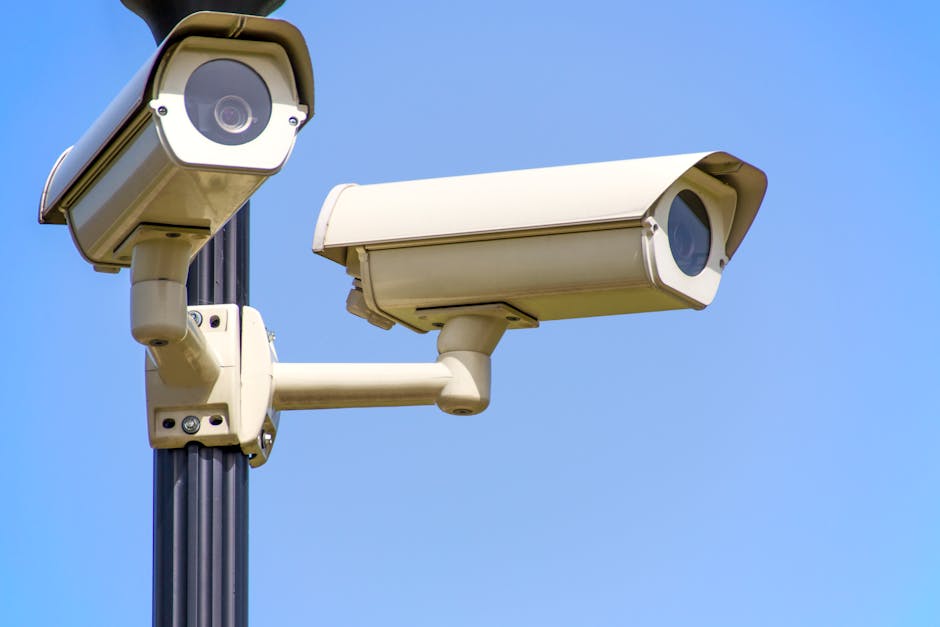
Security business insurance is a specialized type of coverage designed to protect companies that provide security services, including guard services, alarm installation, and private investigations. This insurance is crucial for managing the unique risks associated with operating a security agency. With the volatile nature of security work, having comprehensive protection ensures that both your business and clients are safeguarded against potential liabilities, property damages, and legal disputes.
Key Benefits of Security Business Insurance
- Liability Protection: Covers legal claims and lawsuits arising from accidents or negligence.
- Property Coverage: Protects your physical assets, such as equipment and office space.
- Professional Indemnity: Offers coverage for errors made in the course of providing security services.
- Employee Protection: Provides benefits in case of workplace injuries or illnesses.
- Client Trust: Enhances your reputation and instills confidence among your clients.
- Compliance Needs: Assists in meeting legal requirements for operating a security business.
- Customizable Policies: Allows tailoring the insurance coverage to fit your specific business needs.
Investing in the right insurance for security business not only mitigates risks but also fortifies your operational foundation. By prioritizing adequate coverage, security companies can focus on what they do best—providing safety and security to their clients. Moreover, this coverage plays a critical role in establishing a professional image, ensuring that clients feel secure in their choice of service provider.
In summary, security company insurance serves as a vital asset in maintaining both legal and financial resilience against unforeseen incidents. Without it, businesses could face devastating consequences that may jeopardize their operations and trustworthiness in the security industry. Adopting a proactive approach by securing comprehensive coverage is essential for longevity and success in the competitive landscape of security services.
Types of Coverage for Security Companies
When operating a security company, selecting the right type of coverage is essential to safeguard your business and protect your clients. Different types of insurance policy options cater to the unique risks associated with the security industry. Understanding these various coverages allows business owners to customize their security business insurance to adequately mitigate potential risks.
Investing in appropriate insurance is crucial not only for compliance but also for enhancing the credibility of your security services. This can lead to better client relationships and ultimately, increased profits. Let’s explore some of the fundamental types of coverage that every security company should consider.
| Type of Insurance | Coverage Description | Benefits |
|---|---|---|
| General Liability Insurance | Covers third-party bodily injury, property damage, and personal injury claims. | Protects against claims that could financial destabilize your business. |
| Professional Liability Insurance | Covers lawsuits arising from professional services and advice. | Safeguards against claims of negligence or malpractice. |
| Workers’ Compensation Insurance | Covers medical expenses and lost wages for employees injured on the job. | Provides a safety net for employees and limits employer liability. |
Common Types of Coverage
- General Liability Insurance: Essential for protecting against third-party claims.
- Professional Liability Insurance: Important for defending against service-related claims.
- Workers’ Compensation Insurance: Necessary for employee protection in case of work-related injuries.
- Commercial Auto Insurance: Covers vehicles used for business purposes.
- Property Insurance: Protects physical assets like equipment and offices.
- Cyber Insurance: Safeguards against data breaches and cyber threats.
- Umbrella Insurance: Offers additional coverage beyond existing policies.
Choosing the right mix of these policies will ensure comprehensive security insurance for your company. It also helps in managing the security insurance cost, ensuring that your business remains financially viable in the face of unforeseen challenges. Adopting these insurance policies not only enhances your operational efficiency but also reassures your clients that they are in safe hands.
Dive deep into the essentials of coverage and risk management with our Cyber Liability Insurance: Everything You Need to Know guide.
Security Company Insurance Cost Factors
Determining the security insurance cost for a security business involves various factors that can significantly influence premium rates. Each element can vary based on the unique circumstances of the business, making it essential for owners to grasp these determinants. With proper understanding, security businesses can better navigate the complexities of obtaining adequate insurance coverage that aligns with their operational needs.
| Factor | Description | Impact on Cost |
|---|---|---|
| Coverage Type | Different types of coverage may be required depending on the services offered. | Varies based on risk |
| Business Size | Larger companies tend to have higher premiums due to increased risk. | Higher for larger firms |
| Claims History | Businesses with previous claims may face higher premiums. | Increases costs |
| Employee Training | Trained employees reduce risk, potentially lowering costs. | Reduces cost |
One of the primary aspects that influence security business insurance costs is the geographic location of the company. Areas with higher crime rates or significant security concerns will typically face higher premiums due to increased risk of claims. Conversely, businesses situated in more secure neighborhoods might benefit from lower insurance costs. Understanding the local market and the inherent risks can aid business owners in making informed decisions when seeking insurance.
Geographic Location
The geographical location also plays a pivotal role in insurance pricing. Different regions may have varying rates of theft, vandalism, or other relevant incidents that insurers take into account. This means that the security insurance cost may vary dramatically from one area to another, with urban centers potentially incurring higher costs than rural areas.
Type of Services Offered
The types of services provided by a security company can also significantly impact the price of insurance. For instance, businesses offering high-risk services such as armed security may pay more than those providing unarmed or consulting services. Insurers thoroughly evaluate the nature of services offered, assessing potential risks associated with each type to determine appropriate coverage and premium amounts.
Factors Influencing Insurance Costs
- Geographic location of the business
- Type of security services provided
- Size and scale of the operation
- Employee training and qualifications
- Number and type of claims history
- Coverage limits selected
- Deductibles chosen
How to Get a Security Business Insurance Quote

Obtaining a security business insurance quote is an essential step for any security company looking to protect its operations and clients effectively. This process often involves gathering specific information and presenting it to insurance providers to receive an accurate estimate. Taking the time to prepare can streamline your quote acquisition and ensure you receive the best coverage tailored to your unique needs.
Steps to Obtain a Quote
- Assess Your Business Needs: Determine the type of coverage necessary for your security company.
- Compile Necessary Documentation: Gather information such as your business structure, claims history, and employee details.
- Research Insurance Providers: Identify reputable insurance companies that specialize in insurance for security companies.
- Request Multiple Quotes: Contact several insurers to obtain quotes, comparing their coverage options and premiums.
- Review Policy Details: Carefully examine each quote, paying attention to coverage limits and exclusions.
- Consult with an Insurance Agent: Seek advice to clarify any complex terminology and ensure you understand each quote’s implications.
- Make an Informed Decision: Choose the policy that best meets your needs and offers adequate protection for your business.
By following these steps, you can navigate the process of getting security company insurance quotes more efficiently. It is important to remember that the cheapest option may not always provide the best coverage, so balancing cost with comprehensive protection is crucial. Make use of available resources and professionals to facilitate this important decision, thus ensuring that your business and clients remain protected.
Learn more about coverage for private security providers at XInsurance’s Security Services Risk Class page.
Tips to Choose the Right Policy for Your Security Business
Selecting the right security business insurance policy is vital for protecting your company and ensuring you can handle unforeseen events. With various options available, it’s essential to assess your specific needs based on the nature of your security operations. This involves considering factors such as the size of your business, the type of services you offer, and the unique risks associated with those services. Engaging with an insurance expert can also provide valuable insights and details that can help tailor your policy effectively.
Essential Tips for Selecting a Policy
- Evaluate the coverage types offered: ensure you understand what each policy provides.
- Compare quotes from multiple providers: this helps in finding competitive rates.
- Consider additional coverage options: assess if you need specialized coverage like professional liability or equipment insurance.
- Read reviews and ratings: research the insurer’s reputation for claims handling and customer service.
- Understand the exclusions: make sure you know what is not covered under the policy.
- Assess your risk profile: consider your business’s specific risks when choosing coverage levels.
- Consult with a broker familiar with insurance for security business: their expertise can guide you to the best options.
Once you have gathered all necessary information, it’s crucial to make informed decisions based on your business’s resources and needs. Remember, opting for the cheapest policy might not provide the coverage necessary to protect your assets and clients adequately. Always prioritize comprehensive protection to foster trust with your clientele and ensure smooth operational continuity. A well-chosen security business insurance policy not only safeguards your company but also reinforces professionalism and reliability in the eyes of your customers.