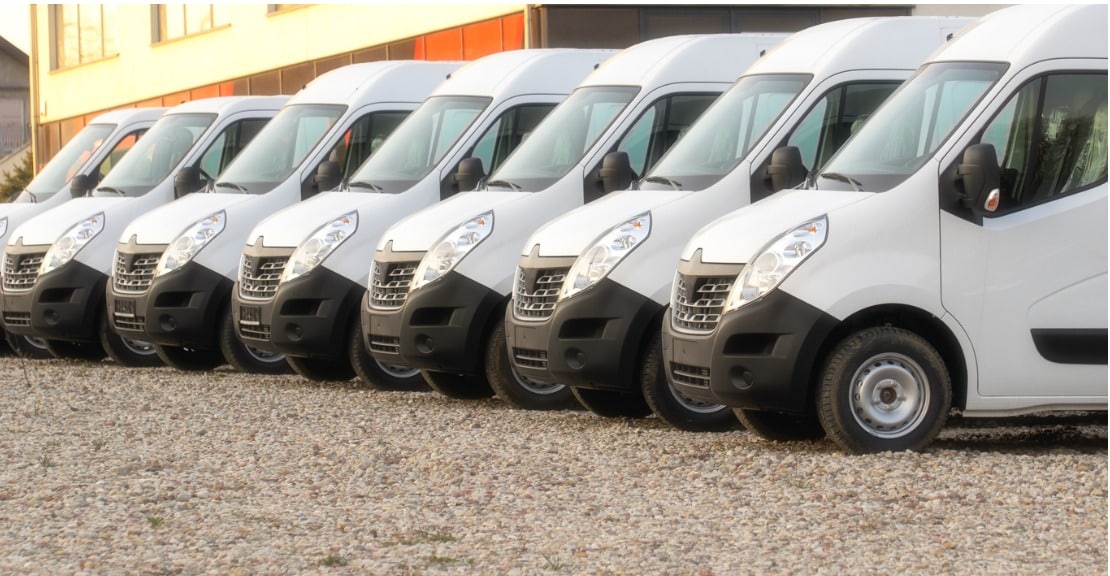
Fleet vehicle insurance is essential for businesses operating multiple vehicles, providing comprehensive protection tailored to specific commercial needs. This type of insurance aggregates coverage under a single policy for added convenience and potentially reduced premiums. Coverage types typically include liability, collision, comprehensive, and uninsured motorist protection, among others. To qualify for fleet vehicle insurance, businesses generally need a minimum number of vehicles, often starting at five, although this requirement may vary by insurer. Cost factors include the number and types of vehicles, their use, and drivers’ records. Businesses can save on premiums by maintaining a good driving record, implementing safety programs, or opting for higher deductibles. Choosing the right commercial fleet insurance involves evaluating the specific needs of the business, comparing quotes, and understanding policy terms. By leveraging fleet vehicle insurance, businesses can safeguard their assets and ensure smoother operations.
What Is Fleet Vehicle Insurance and How It Works
Fleet vehicle insurance is a specialized form of coverage designed specifically for businesses that operate multiple vehicles. This type of insurance provides a streamlined approach to managing the risks associated with operating a fleet by consolidating individual policies into a single comprehensive policy. By opting for fleet vehicle insurance, businesses can enjoy benefits such as reduced premiums, simplified administrative duties, and tailored coverage options. Commercial vehicle fleet insurance typically covers a wide range of vehicles, including cars, vans, and trucks used for business purposes.
Key Aspects of Fleet Vehicle Insurance
- Offers comprehensive coverage for a wide range of vehicle types.
- Provides flexibility in policy terms and coverage options.
- Includes liability coverage to protect against third-party claims.
- Often features lower premiums compared to individual policies.
- Allows for easy adjustments as the fleet size changes.
- Facilitates smooth claim processes with dedicated services.
- Ensures compliance with all industry regulations.
Understanding how fleet vehicle insurance works is crucial for businesses aiming to effectively manage their transportation resources. Typically, this insurance involves a single policy covering multiple vehicles, which simplifies the paperwork and administrative tasks involved in managing vehicle insurance. Instead of maintaining separate policies for each vehicle, businesses can handle their insurance needs through consolidated coverage. This setup not only leads to cost savings but also offers the advantage of having a uniform renewal date and a single point of contact for claims and policy changes.
The process of acquiring fleet vehicle insurance begins by assessing the number of vehicles and the nature of usage, such as delivery or passenger services. Insurance providers will consider these factors, along with the history and condition of the vehicles, to determine the premium costs. Having a well-maintained fleet and experienced drivers can significantly reduce insurance premiums. Moreover, businesses can customize their coverage to include add-ons like breakdown assistance or replacement vehicle services, ensuring the entire fleet remains fully operational and protected under any circumstances.
For insights into protecting commercial vehicle fleets, visit Business Insurance USA’s Fleet Insurance coverage.
Coverage Types for Business Vehicle Fleets
When it comes to protecting your business vehicles, understanding fleet vehicle insurance is crucial. There are various coverage types designed to safeguard your vehicles and your business operations effectively. Each type of coverage offers specific protections that cater to different risks your fleet might face on the road. Aligning the right coverage types with your business needs can save you from significant financial losses.
| Coverage Type | Benefits | Typical Usage |
|---|---|---|
| Liability Coverage | Protects against property damage and bodily injury claims. | For all business operations involving vehicles. |
| Collision Coverage | Covers costs related to vehicle collision repairs. | Critical for high-traffic areas and accident-prone routes. |
| Comprehensive Coverage | Protects against theft, vandalism, and natural disasters. | Essential for areas with high crime rates or severe weather. |
| Uninsured Motorist | Protects against accidents involving uninsured drivers. | Useful in areas with high numbers of uninsured vehicles. |
Having a well-rounded understanding of the available vehicle fleet insurance options helps ensure you have the necessary coverage. These different types of coverage are tailored to address specific risks and scenarios that your business might encounter. Exploring these options carefully is vital for comprehensive protection of your assets and employees.
For guidance on imported vehicle coverage, check out our article on Import Car Insurance.
Common Coverage Types
- Liability Coverage
- Collision Coverage
- Comprehensive Coverage
- Uninsured Motorist Protection
- Medical Payments Coverage
- Personal Injury Protection
- Rental Reimbursement
Liability Coverage
Liability coverage is a fundamental aspect of fleet vehicle insurance. This type of coverage offers protection against claims resulting from damages to other people’s property or injuries to other individuals caused by your fleet vehicles. It’s a legal requirement in many regions, ensuring that businesses can cover costs associated with lawsuits or claims without endangering their financial stability.
Collision Coverage
Collision coverage specifically addresses damages to your fleet vehicles that result from collisions, whether with another vehicle or an object. This type of coverage is highly recommended, especially if your business operates in busy urban areas or areas with higher accident rates. It helps to cover the repair or replacement costs of your vehicles, thereby mitigating potential financial burdens post-accident.
Comprehensive Coverage
For broader protection beyond collisions, comprehensive coverage is invaluable. This aspect of fleet vehicle insurance protects against non-collision-related damages, such as theft, natural disasters, and vandalism. Comprehensive coverage ensures that your fleet can withstand unforeseen events, maintaining business continuity without major financial setbacks. This coverage is particularly beneficial if your fleet operates in regions prone to extreme weather or high crime rates.
How Many Vehicles Do You Need for Fleet Insurance?
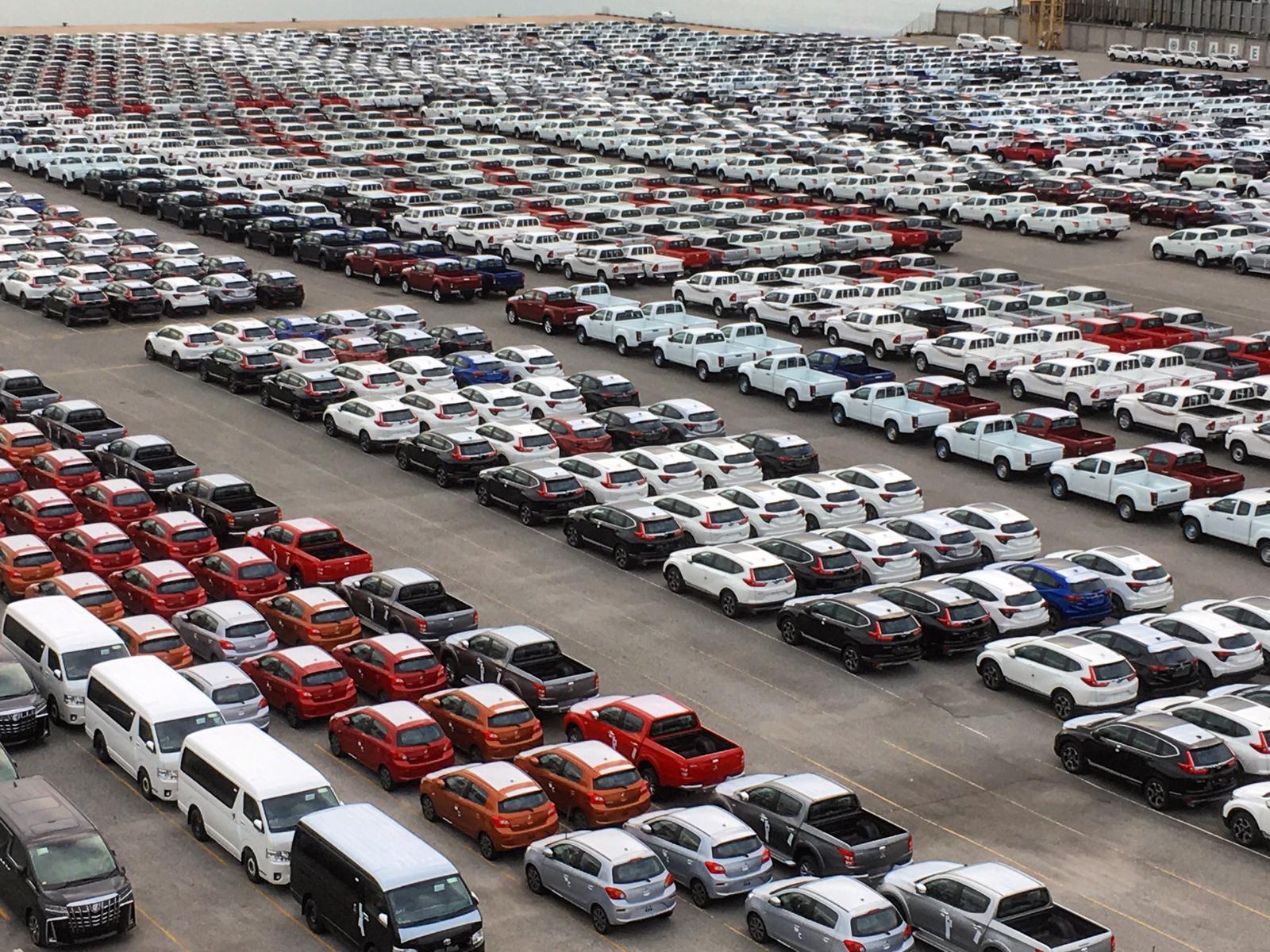
Determining the number of vehicles required to qualify for fleet vehicle insurance is crucial for businesses seeking cost-effective coverage solutions. Typically, insurers consider a group of vehicles as a fleet, generally starting with as few as two. The exact minimum can vary depending on the insurance provider and the type of coverage you wish to secure. Businesses should examine their operational needs, growth projections, and logistical demands when deciding how many vehicles to insure as a fleet. Ensuring your enterprise has enough vehicles can unlock significant savings and streamlined management processes.
Steps to Determine Fleet Size
- Assess your current vehicle inventory.
- Consider the scale of your business operations.
- Evaluate your short-term and long-term growth goals.
- Analyze logistical requirements to meet customer demands.
- Consult with an insurance expert on minimum fleet requirements.
- Budget for ongoing vehicle maintenance and insurance costs.
- Ensure vehicles meet qualifications for fleet insurance policies.
After identifying the number of vehicles needed for fleet insurance, businesses must insure the fleet of vehicles efficiently. This involves choosing policies that not only cover the vehicles but also provide benefits such as roadside assistance and liability protection. By strategically managing your fleet size, you can maximize the potential savings and operational efficiencies that accompany fleet vehicle insurance. It’s important to regularly reassess your fleet needs to optimize your coverage and costs continually.
Cost Factors and Ways to Save
Fleet vehicle insurance is a critical component of managing business vehicle insurance. Understanding the cost factors associated with fleet vehicle insurance can help businesses budget effectively. These costs can vary significantly based on several factors, including the size and type of the fleet, the drivers, and the business operations. Businesses are constantly seeking ways to reduce these costs without compromising coverage.
Common Cost Factors
Numerous elements play a role in determining the premiums for fleet vehicle insurance. The size of the fleet, the types of vehicles included, and the drivers’ experience are commonly assessed. Furthermore, the nature of the business and its operational locations can also impact costs. Understanding these factors is crucial for businesses aiming to manage expenses efficiently.
Factors Influencing Fleet Insurance Costs
- Number of vehicles in the fleet
- Types and models of vehicles
- Driver history and experience
- Primary business operations and uses
- Geographical locations of operations
- Safety measures in place
- Claims history of the business
Saving Strategies
To reduce the burden of business vehicle insurance, companies can adopt several strategies. Implementing comprehensive safety programs can lower premiums by reducing the probability of accidents. Regular training for drivers ensures adherence to safety guidelines, ultimately contributing to fewer claims. Evaluating policy options dynamically can also result in cost savings as needs and circumstances change over time. Businesses should consistently review their coverage to align with their current needs and incorporate safety technologies to further enhance savings.
“Optimizing fleet insurance not only reduces costs but also enhances the overall operational efficiency of business fleets.”
Fleet Vehicle Insurance Premium Influencers
| Factor | Impact Level | Considerations |
|---|---|---|
| Fleet Size | High | Larger fleets may get discounts but also entail higher overall costs. |
| Driver Experience | Medium | Experienced drivers can significantly reduce premiums. |
| Vehicle Type | High | Premiums vary by make, model, and their use. |
| Claims History | High | A history of claims can increase premiums. |
Ultimately, the best approach to managing fleet vehicle insurance costs involves a combination of understanding the common cost factors and implementing effective saving strategies. By applying these insights, businesses can ensure they receive optimal coverage while maintaining financial prudence. The goal is to balance adequate protection for the fleet with cost-effectiveness, ensuring long-term sustainability and efficient management of business vehicle insurance.
Choosing the Right Commercial Fleet Insurance
Selecting the appropriate fleet vehicle insurance is crucial for safeguarding your business assets and ensuring compliance with legal requirements. When evaluating insurance options, consider the coverage scope, costs, and specific needs of your business. It’s essential to focus on factors like the type of vehicles in your fleet, their operational routes, and the risks associated with their usage. Engaging with an experienced insurance agent can significantly aid in understanding policy intricacies and tailor solutions to fit your company’s needs. Remember, the most suitable policy provides comprehensive coverage while also being cost-effective.
Steps to Choose the Best Policy
- Evaluate the types and values of vehicles in your fleet to determine necessary coverage levels.
- Assess the risk profiles of your drivers, including their experience and driving records.
- Compare policy options from multiple insurers to ensure competitive pricing and coverage.
- Consider bundling services with the same provider for potential discounts and streamlined management.
- Read the policy fine print to understand exclusions, deductibles, and limits.
- Review customer reviews and industry ratings of insurance providers for reliability insights.
- Periodically reassess and update coverage as your fleet and operational needs evolve.
A well-chosen fleet vehicle insurance policy can significantly reduce unforeseen financial burdens caused by accidents, theft, or damages. While the initial process of selecting the right policy may seem daunting, a structured approach ensures that your fleet remains protected and operational. As a business owner, prioritize insurance options that align with long-term strategic goals and offer flexibility to scale with your operations, ensuring peace of mind and financial security. Ultimately, a combination of thorough research and professional advice will help you in crafting the most effective strategy for your fleet’s insurance needs.