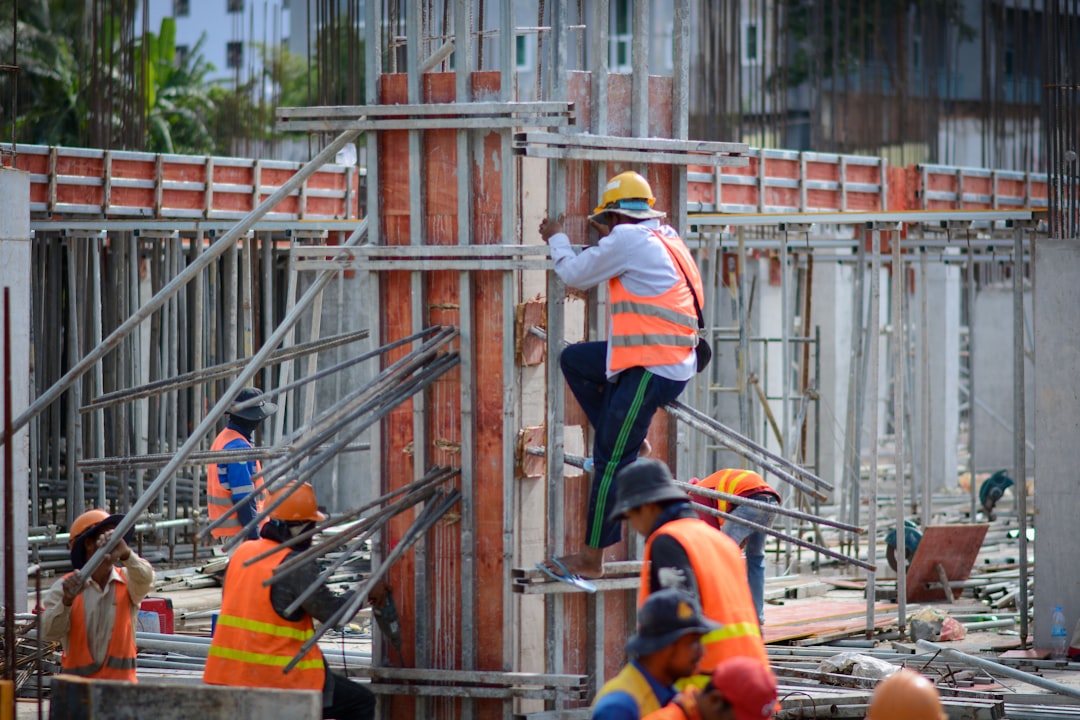
Builders risk insurance is a specialized policy designed to protect construction projects from potential hazards during the building phase. This insurance covers various risks, including theft, vandalism, and damages caused by weather events. The average cost of builders risk insurance varies based on project size and location, so it’s essential to assess individual needs. Typically, contractors, developers, and property owners engaged in construction work are the primary beneficiaries of this coverage. When choosing the right builders risk insurance policy, it’s crucial to compare options, evaluate coverage limits, and consider any specific project requirements. Understanding these key details about builders risk insurance can help ensure adequate protection throughout the construction process.
What Is Builders Risk Insurance
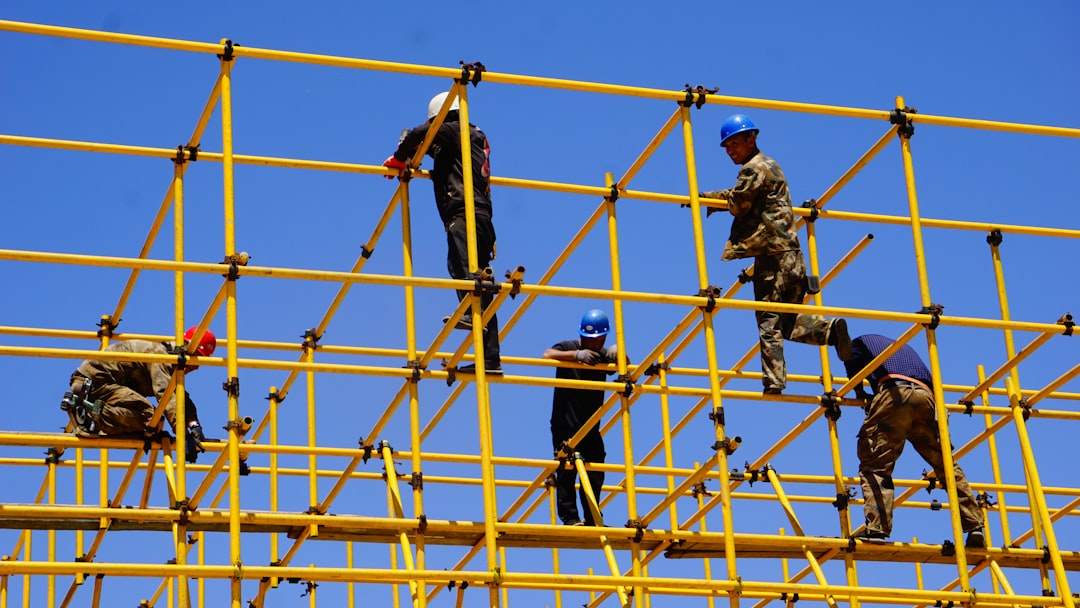
Builders risk insurance is a specialized type of coverage designed to protect buildings and constructions during the course of their development. It provides financial security against losses or damages occurring due to various unforeseen events such as fire, theft, or vandalism. Unlike standard property insurance, which typically covers completed structures, a builders risk policy is specifically tailored for properties under construction, ensuring that materials, fixtures, and the building itself are safeguarded throughout the construction period.
Key Aspects of Builders Risk Insurance
- Coverage for materials and fixtures on-site
- Protection against fire and theft-related incidents
- Insurance for structures during their construction phase
- Flexibility in policy duration based on project timelines
- Exclusions may apply, such as natural disasters
- Customizable plans to suit project specifics
- Essential for contractors, developers, and property owners
Having builders risk insurance is crucial for anyone involved in construction projects, as it helps mitigate financial risks that could arise from unexpected incidents. The coverage can vary based on factors such as location, duration of the project, and the overall value of the building being constructed. Before embarking on a construction project, it is advisable to consult with insurance professionals to secure a comprehensive builders risk policy that fully addresses the unique needs of the construction endeavor.
What Does Builders Risk Insurance Cover
Understanding the specifics of builders risk insurance coverage is essential for property developers and contractors. This type of insurance is designed to protect buildings in the course of construction from potential risks. By having the right coverage, you can safeguard your investment against unexpected events that could lead to financial loss. It’s important to balance the cost of this insurance with the multitude of risks you may face during a construction project.
Generally, builders risk insurance provides coverage for property damage that occurs during the construction phase. This can include various elements, such as the physical structure itself, building materials, and equipment. However, coverage may vary significantly based on your policy’s terms and conditions. Therefore, understanding which specific risks are covered is crucial for adequate protection.
| Type of Coverage | Details | Common Exclusions |
|---|---|---|
| Fire Damage | Protection against damages caused by fire incidents. | Damage due to neglect. |
| Theft or Vandalism | Covers theft of materials and vandalism-related damages. | Equipment not secured on site. |
| Weather-related Damage | Protection from storms, rain, and other natural disasters. | Flood damage (may require separate policy). |
| Liability Coverage | General liability caused during the construction process. | Injury caused by negligence. |
Familiarizing yourself with the common coverage areas can further help clarify what builders risk insurance entails. Below are some of the most typical areas covered under such policies:
Common Coverage Areas
- Property damage during construction
- Theft of building materials on-site
- Vandalism-related costs
- Damage from fire or the explosion of construction equipment
- Weather-related damages such as storms
- Equipment breakdowns on the job site
However, it’s essential to be aware of the exclusions that builders risk insurance may have. While it provides extensive coverage, there are several specific events or damages that are often not included in standard policies. Understanding these exclusions can help you make informed decisions about supplemental coverage or additional insurance needs.
Exclusions to Keep in Mind
A variety of exclusions can impact your overall builders risk insurance coverage. Common exclusions often include damage due to faulty design, poor workmanship, or non-compliance with building codes. It’s also important to note that certain natural disasters, like earthquakes and floods, may not be covered unless specifically included in the policy. Always consult with your insurance agent to customize your coverage according to your project’s needs and to ensure all bases are covered.
Average Cost of Builders Risk Insurance
The cost of builders risk insurance can vary significantly based on a variety of factors. Generally, the average premium for builders risk insurance can range from $1,000 to $3,000 for a typical policy covering a project valued between $100,000 and $1 million. This insurance is designed to cover the property undergoing construction from risks such as theft, vandalism, and certain types of damage. It’s essential to understand that the overall pricing may depend on the scope and duration of the construction project, as well as the specific risks involved with the building process.
| Coverage Type | Average Cost | Factors Affecting Costs |
|---|---|---|
| Residential Projects | $1,200 | Home Size, Location |
| Commercial Projects | $2,500 | Project Complexity |
| High-Value Structures | $3,500 | Materials Used |
| Short-Term Projects | $1,000 | Project Duration |
In terms of who pays for builders risk insurance, it usually depends on the contracts between the involved parties—primarily the general contractor, subcontractors, and property owner. Typically, the builder or contractor will purchase the policy to cover the project, with costs often incorporated into the overall construction budget. However, it’s crucial for all parties to communicate clearly regarding who is responsible for the payment and coverage to avoid any disputes down the line.
Factors Influencing Cost
- Project Location
- Construction Timeline
- Type of Construction
- Valuation of Property
- Coverage Limits Selected
- Type of Materials Used
Understanding the associated elements that determine the expense of a builders risk policy will enable project owners and contractors to make informed decisions regarding their coverage options. Customizing your builders risk insurance can also lead to cost savings by ensuring you pay only for the coverage you actually need. As you seek a policy that aligns with your project requirements, always consider obtaining multiple quotes from different insurers to evaluate the best options available.
Who Needs Builders Risk Insurance
Builders risk insurance is essential for various stakeholders in construction projects, primarily those who are financially invested in the project. This type of insurance provides builders risk insurance coverage tailored to protect against potential losses due to damages or theft during the construction phase. Without this coverage, contractors, property owners, and developers may face significant financial burdens if destructive events occur, such as fires or vandalism.
Steps to Determine Need
- Assess the scope of your construction project.
- Identify all parties involved, including contractors and suppliers.
- Evaluate potential risks associated with the construction site.
- Determine the duration of the project and adjust coverage accordingly.
- Consider the value of materials and equipment on-site.
- Review any contractual obligations regarding insurance.
- Consult with an insurance agent to discuss specific needs.
Understanding who pays for builders risk insurance can also influence your decision to obtain this coverage. Typically, it’s the property owner or the general contractor who secures the policy. This means that if you are a subcontractor or a supplier, it’s crucial to clarify whether you’ll be covered under an existing builders risk policy or if you need to purchase additional coverage for your interests. Knowing the responsibilities of each party ensures that you are adequately protected throughout the construction process.
How to Choose the Right Policy
Choosing the right builders risk policy is essential for safeguarding your construction project. It is vital to assess your specific needs and understand the type of coverage that will best protect your investment. Factors such as the project’s scope, duration, and the potential risks involved should be evaluated carefully to make an informed decision. Remember, having adequate protection can save you from significant financial loss in case of unforeseen events.
Steps to Choosing the Right Policy
- Identify your construction project type (commercial vs. residential).
- Evaluate the value of the property and materials.
- Understand your coverage needs, including liability options.
- Research different builders risk insurance providers.
- Compare policy limits and exclusions thoroughly.
- Read customer reviews and ratings of the insurers.
- Consult with an insurance agent for tailored advice.
Once you have a clear understanding of the risks and requirements of your project, it’s time to delve into comparing policy options available in the market. Not all residential construction insurance policies offer the same level of coverage or protection. Analyzing different policies based on coverage limits, deductibles, and specific exclusions will help you find the one that best fits your needs.
Consider the specifics of coverage options like theft, vandalism, and natural disasters — these can greatly affect your policy choice.
Ultimately, selecting the right builders risk policy hinges on comprehensive research and careful consideration of your construction project’s unique needs. By following the outlined steps and systematically comparing the available options, you will be in a strong position to choose a policy that provides the necessary protection, thereby ensuring peace of mind throughout the duration of your project.